2025 Bingdao Dijie Terrace Raw Pu-erh Review
A light, clean 2025 Dijie raw pu-erh with quick sweetness, honeydew and fresh-hay notes, reviewed as one affordable terrace-grown batch.
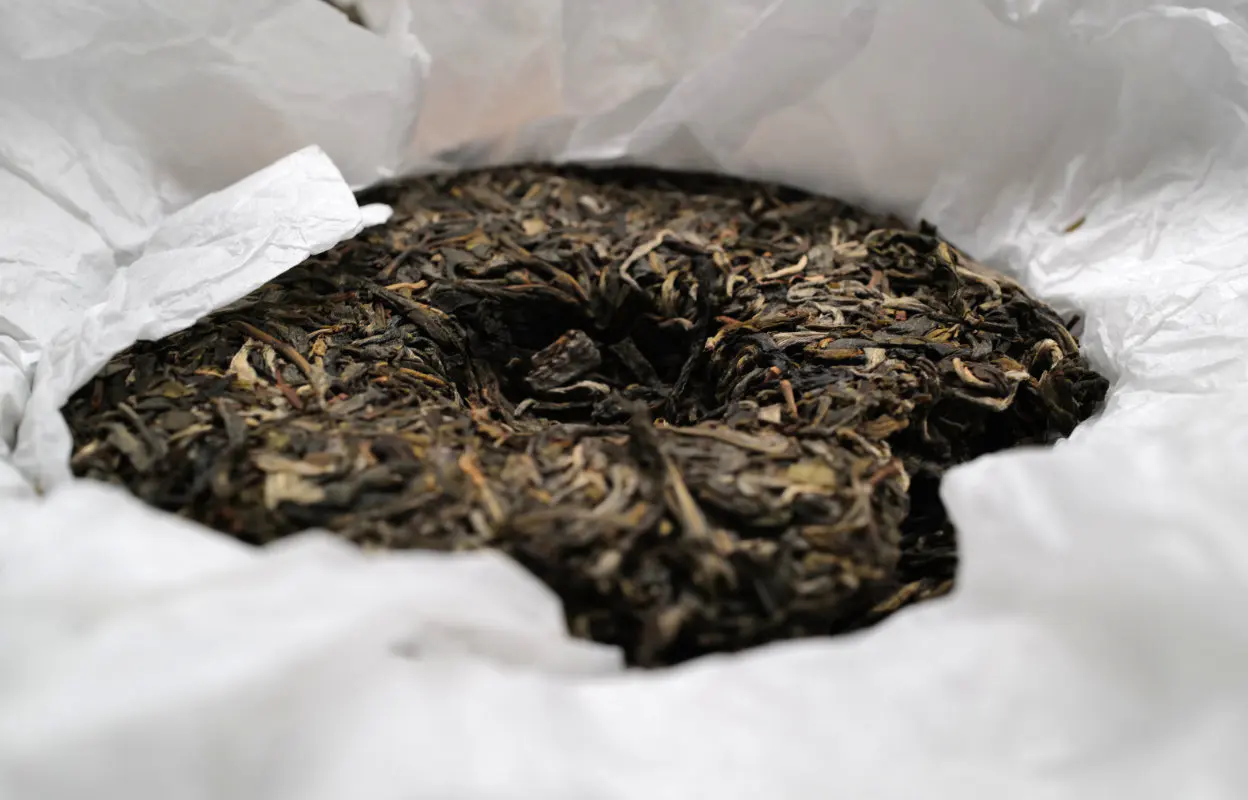
Tea record
- Origin
- Dijie, Bingdao, Yunnan
- Style
- Raw Pu-erh
- Price paid
- $9
- Water
- 95°C
- Brewing time
- 5–10 sec gongfu infusions
- Reviewed
- 01/07/2025
The seller described this as 2025 terrace-grown tea from Dijie, one of the five villages commonly sold under the Bingdao name. It was explicitly not sold as ancient-tree material. That narrower claim and the approachable price made it a useful tasting reference.
In the cup
My first infusion was too light because I under-dosed the pot. With a little more leaf and short steeps, mild bitterness arrived first and changed quickly into sweetness. Honeydew and fresh hay were the clearest notes. The body stayed light, and astringency remained low even when I extended the brew.
The tea was not especially complex, but its returning sweetness lasted after the cup was empty. Bowl-style brewing made the bitterness more obvious without turning rough.
Brewing notes
Start around 6–7 g per 100 ml at 95°C, with a quick rinse and 5–10 second infusions. Add time gradually. If the tea tastes empty, increase the leaf before using much longer steeps; extended brewing can hide its gentle character behind bitterness.
Verdict
For this price, the batch was an enjoyable everyday raw pu-erh: clean, forgiving and sweet after the swallow. The review applies only to the tea I received. Garden, tree age and Dijie origin remain seller claims rather than facts established by tasting.
Quick answers
Frequently asked questions
What did this Bingdao Dijie tea taste like?
This batch was light and clean, with mild bitterness followed by honeydew-like sweetness, fresh hay and low astringency. The returning sweetness lasted longer than the aroma.
How was this Dijie raw pu-erh brewed?
I used water around 95°C and short 5–10 second gongfu infusions, extending gradually. Longer bowl-style infusions brought out more bitterness without making the tea harsh.
Does this review prove the tea came from Dijie?
No. The origin and tree information are seller claims. This review records one purchased batch and its cup character; it does not authenticate the wider Bingdao label.