2025 Xiaohusai Raw Pu-erh Review
A bold young Xiaohusai raw pu-erh with sharp opening bitterness, honey and wildflower aromas, lasting sweetness and a drying finish.
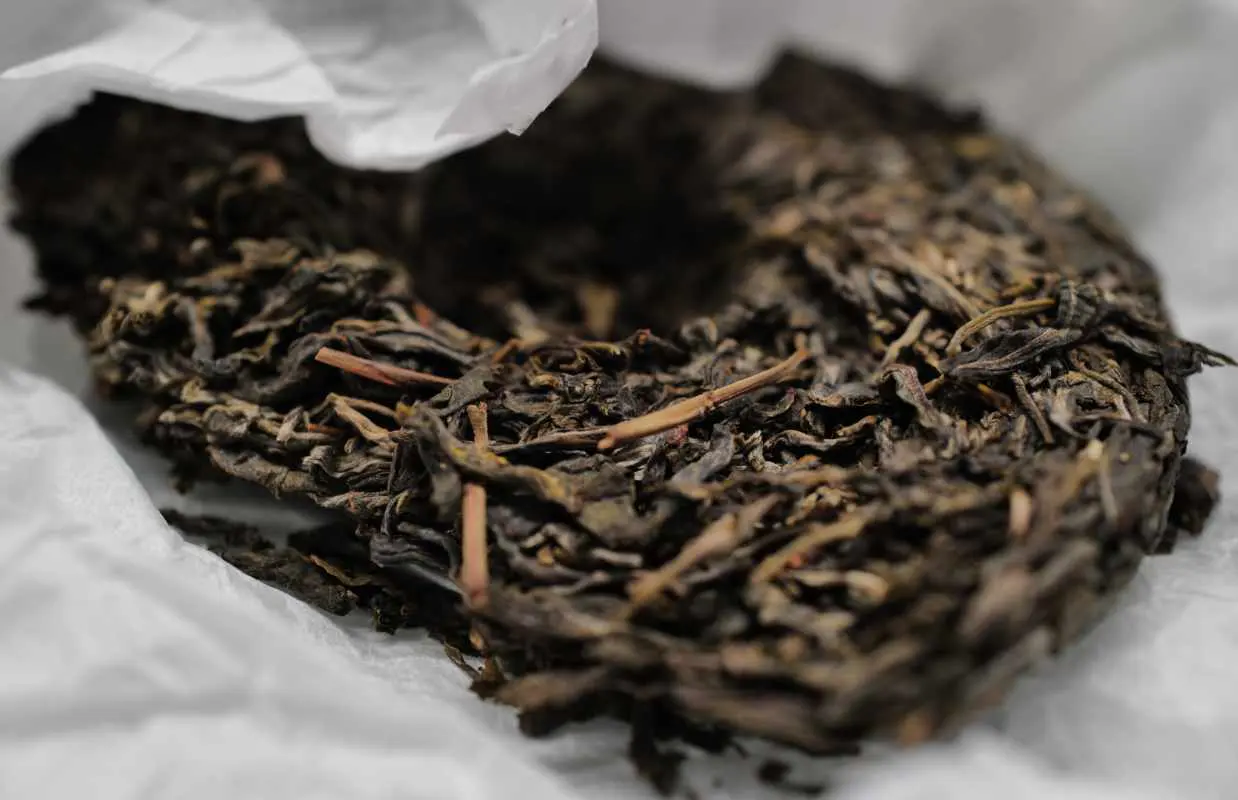
Tea record
- Origin
- Xiaohusai, Yunnan
- Style
- Raw Pu-erh
- Price paid
- $41
- Water
- 95°C
- Brewing time
- 5–10 sec gongfu; longer bowl-style infusions
- Reviewed
- 27/06/2025
This was one of my favourite young raw teas from the 2025 samples. The seller called it ancient-tree Xiaohusai; I could not independently verify either claim.
The first sip was sharply bitter, then turned honey-sweet within seconds. Wildflowers, stone fruit and a faint resinous note followed. The sweetness after swallowing was what kept me coming back.
After three or four cups, astringency left my tongue noticeably dry. I enjoyed it, but someone looking for soft young sheng may find this batch too assertive. It also felt strongly stimulating to me, so I save it for afternoons.
Brewing
Start with 6–7 g per 100 ml at 95°C and 5–10 second infusions. Shorten the steeps or use less leaf if bitterness takes over. Longer bowl-style brewing works if you enjoy that bitter edge.
For me, the lasting sweetness earns the drying finish. This rating is for the sample I received, not for Xiaohusai tea generally.
Quick answers
Frequently asked questions
What did this Xiaohusai raw pu-erh taste like?
This batch opened with sharp bitterness, then shifted into honey, wildflower and stone-fruit notes. Returning sweetness lasted well, while moderate astringency accumulated after several cups.
How should this young Xiaohusai tea be brewed?
Start around 95°C with short 5–10 second gongfu infusions and extend slowly. Cooler water or less leaf can soften the bitterness and drying finish.
Was the ancient-tree claim verified?
No. Ancient-tree and Xiaohusai origin were seller claims. Taste, leaf appearance and body sensations cannot independently prove a tree's age or a precise garden.