2025 Xiaohusai Raw Pu-erh Review
A bold young Xiaohusai raw pu-erh with sharp opening bitterness, honey and wildflower aromas, lasting sweetness and a drying finish.
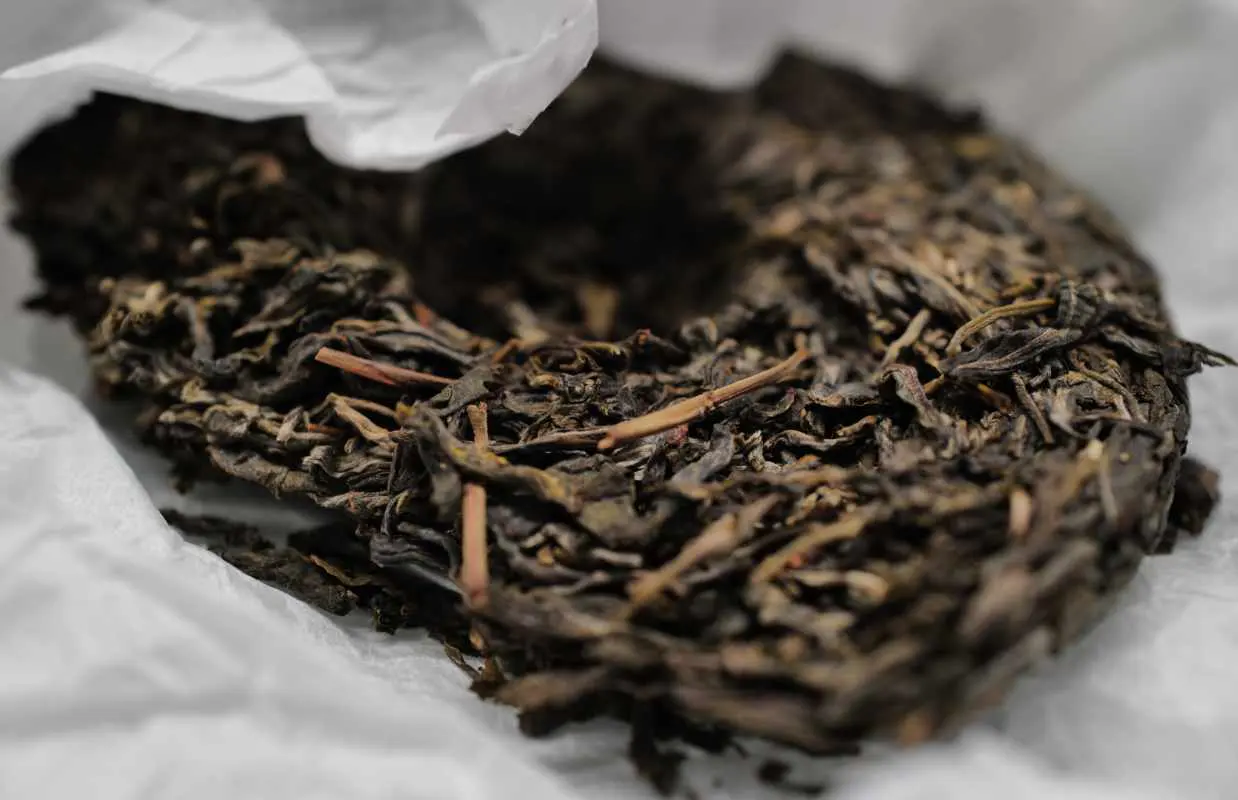
Tea record
- Origin
- Xiaohusai, Yunnan
- Style
- Raw Pu-erh
- Price paid
- $41
- Water
- 95°C
- Brewing time
- 5–10 sec gongfu; longer bowl-style infusions
- Reviewed
- 27/06/2025
This was one of my favourite young raw pu-erhs from the 2025 samples, mainly because its bitterness and sweetness were easy to follow. The seller described it as ancient-tree Xiaohusai, but that provenance was not independently verified.
In the cup
The first sip was sharply bitter, then changed within seconds into honeyed sweetness. A wildflower aroma sat underneath, followed by stone fruit and a faint resinous note. The returning sweetness was the strongest part of the session and remained after the cup was empty.
Astringency accumulated after three or four cups and left my tongue noticeably dry. It was not unpleasant, but drinkers who prefer soft young sheng may find it assertive. The stimulating effect also felt strong to me, so I now keep this tea for afternoons rather than evenings.
Brewing notes
Use about 6–7 g per 100 ml at 95°C and begin with 5–10 second infusions. If the bitterness dominates, shorten the early steeps, reduce the leaf or lower the water temperature slightly. Longer bowl-style brewing works when you actively enjoy bitter structure.
Verdict
This is a lively, aromatic batch with a memorable sweet finish, balanced by real drying grip. The rating records my experience of this sample, not a verdict on all Xiaohusai tea or proof of the seller’s tree-age claim.
Quick answers
Frequently asked questions
What did this Xiaohusai raw pu-erh taste like?
This batch opened with sharp bitterness, then shifted into honey, wildflower and stone-fruit notes. Returning sweetness lasted well, while moderate astringency accumulated after several cups.
How should this young Xiaohusai tea be brewed?
Start around 95°C with short 5–10 second gongfu infusions and extend slowly. Cooler water or less leaf can soften the bitterness and drying finish.
Was the ancient-tree claim verified?
No. Ancient-tree and Xiaohusai origin were seller claims. Taste, leaf appearance and body sensations cannot independently prove a tree's age or a precise garden.