China’s 2026 Rules for Livestream Tea Sales
CCTV's investigation into fake farmers and counterfeit ancient-tree Pu'er has shaken confidence in livestream tea. Here is what happened, what changed, and what it means for buyers and honest sellers.
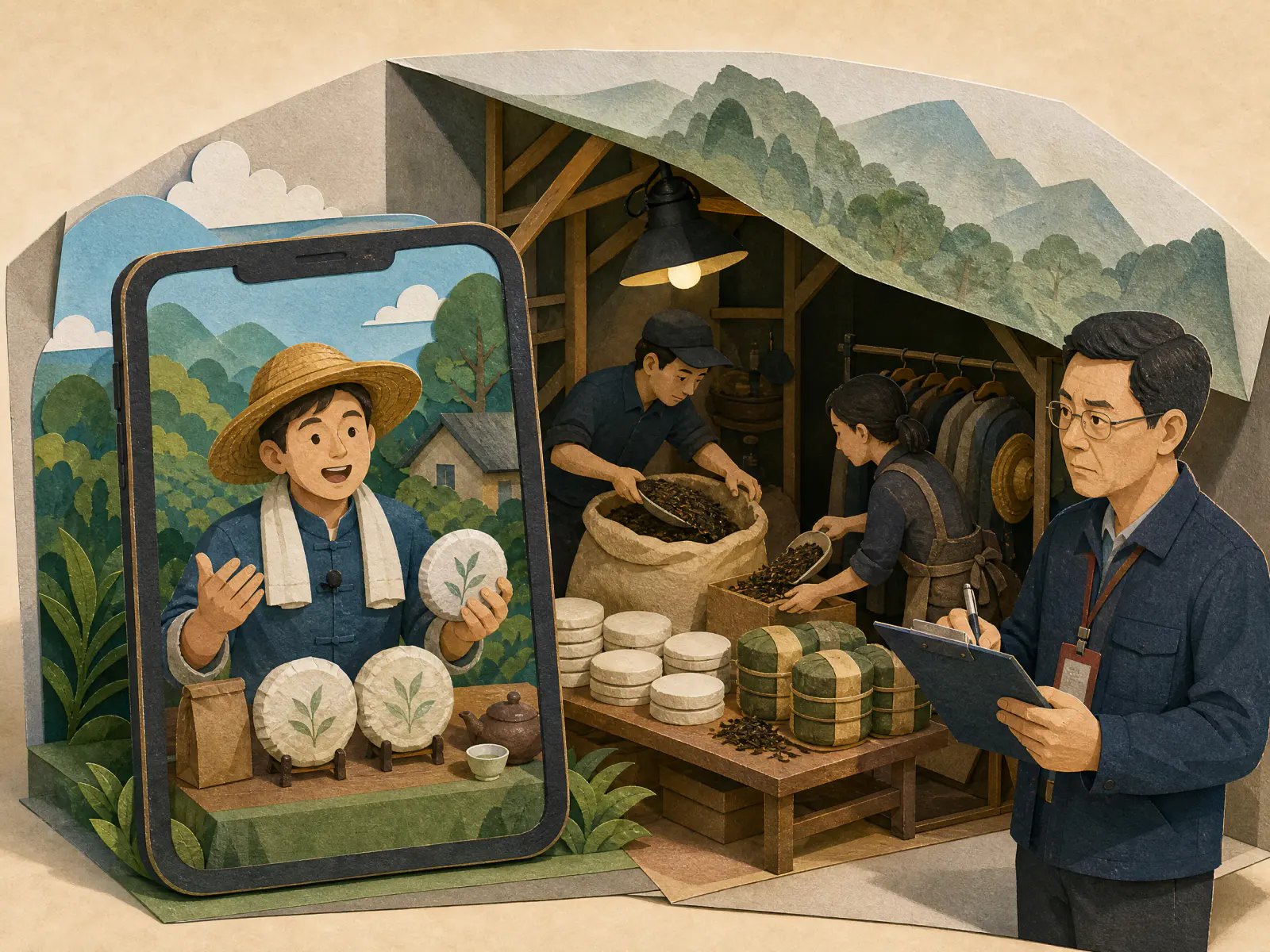
On 21 June 2026, CCTV’s Financial Investigation reported on livestream tea sellers using hired “farmers,” staged village settings and ordinary tea sold under famous-origin claims. It exposed how easily a broadcast could imitate direct access to a producer.
China’s new livestream rules had already taken effect earlier that year. Together, the report and the rules give buyers a reason to ask what sits behind the camera: who operates the shop, where the tea came from and who handles a return.
What the investigation showed
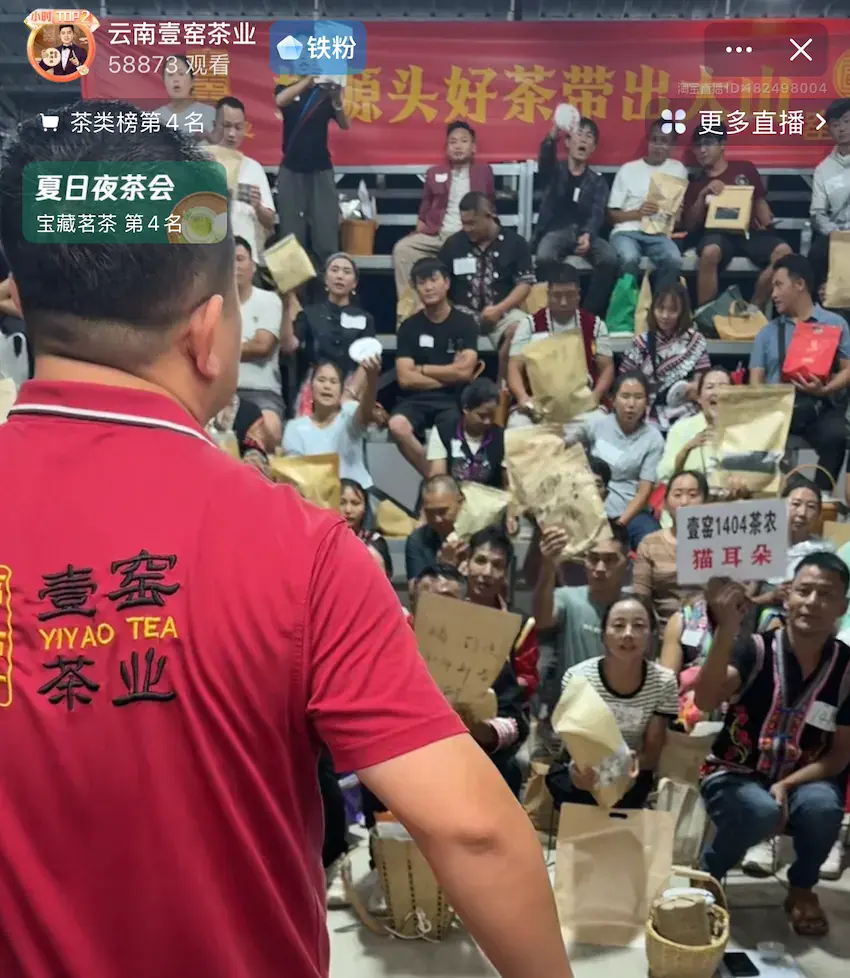
CCTV’s report described sellers presenting ordinary leaf as famous-mountain or ancient-tree pu-erh. Some teams hired people to play farmers and rented local spaces to make the setting convincing. “Helping farmers” became part of the sales pitch.
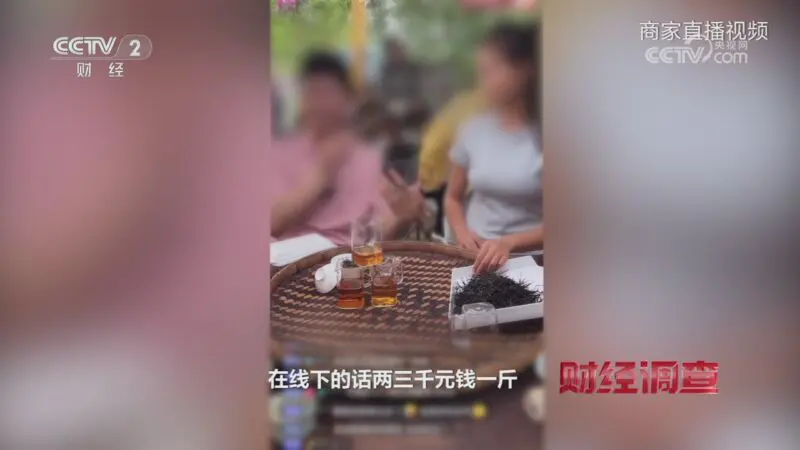
A presenter can show leaves and brew a cup on camera. Neither establishes a village, tree age or harvest date. Once the people and setting can be staged, the appearance of a direct relationship tells the buyer much less.
What the rules require
The livestream e-commerce measures took effect on 1 February 2026. They require identity and qualification checks and set out responsibilities for platforms, operators and marketing agencies. Responses to violations can include restrictions or account closure.
The food-specific rules, effective 20 March, require supplier checks and review of products, scripts, presenters and broadcast settings. Relevant records generally must be retained for at least three years.
These are obligations for sellers and platforms. Their existence doesn’t certify a tea being offered today.

The day after the broadcast, the Yunnan Tea Industry Association called for investigation and enforcement. Its response also questioned livestream teams that advertised “no middlemen” while acting as intermediaries themselves.
Where that leaves genuine sellers
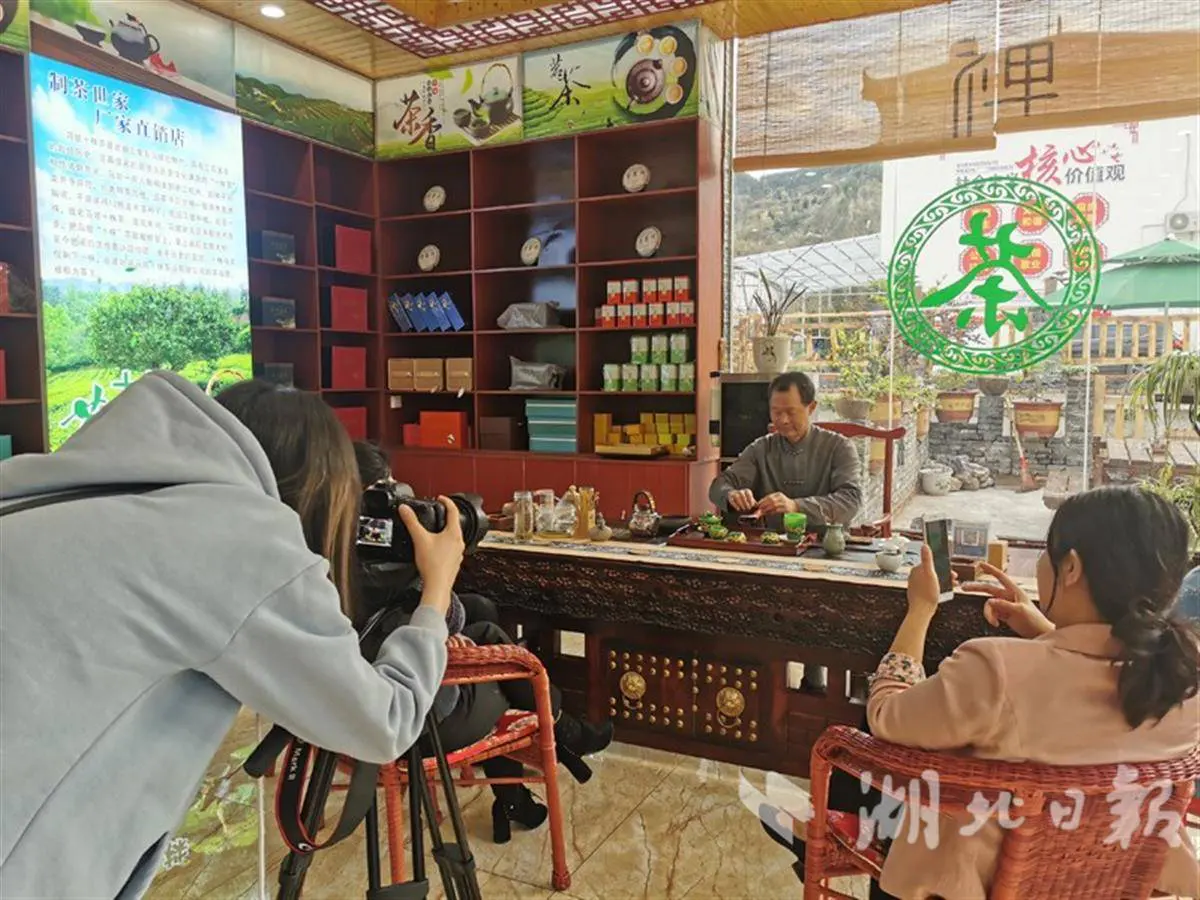
Livestreaming can help a small producer show their work and answer buyers’ questions. That remains useful, especially when the garden is far from the customer.
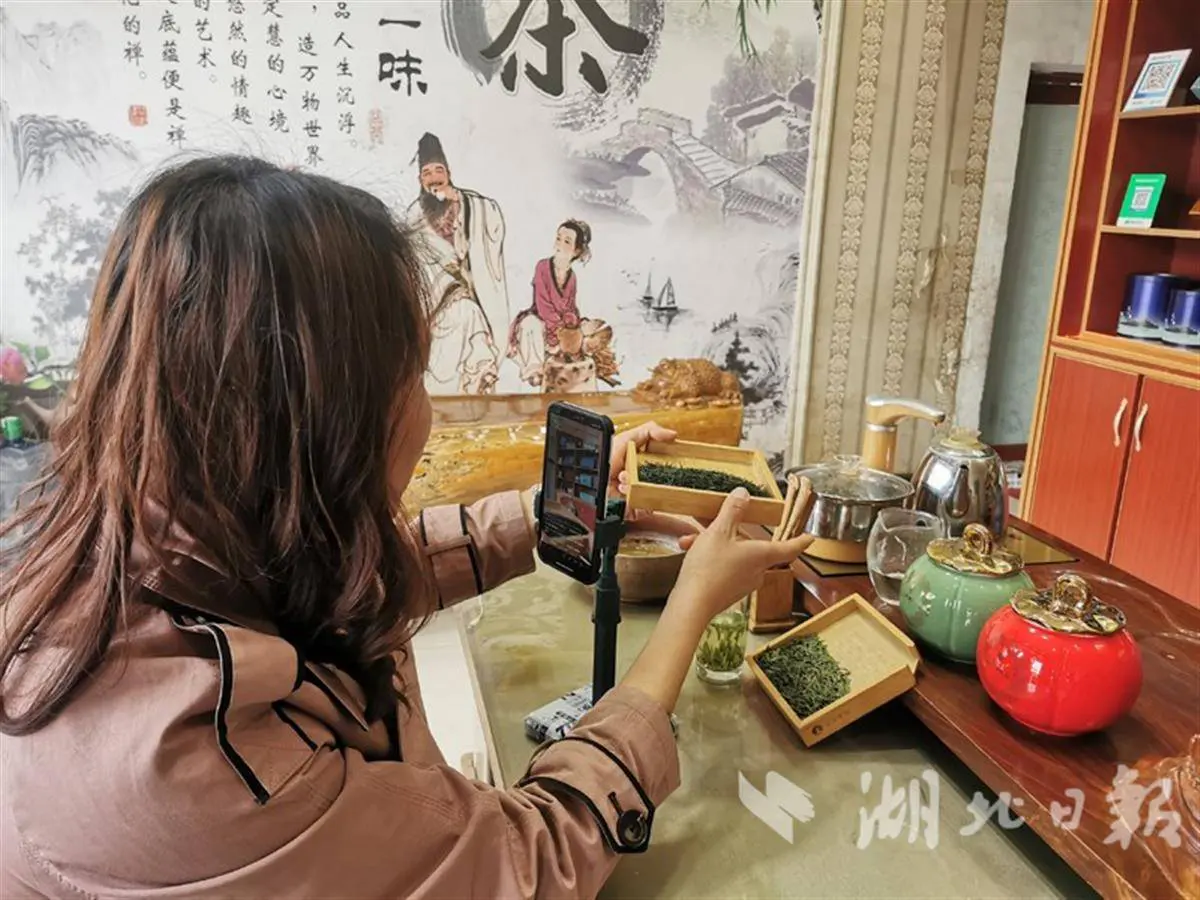
I worry that honest farmers will inherit the suspicion created by staged broadcasts. A small shop may have less polished production than a studio with actors and rehearsed scripts. Production quality is a poor way to choose whom to trust.
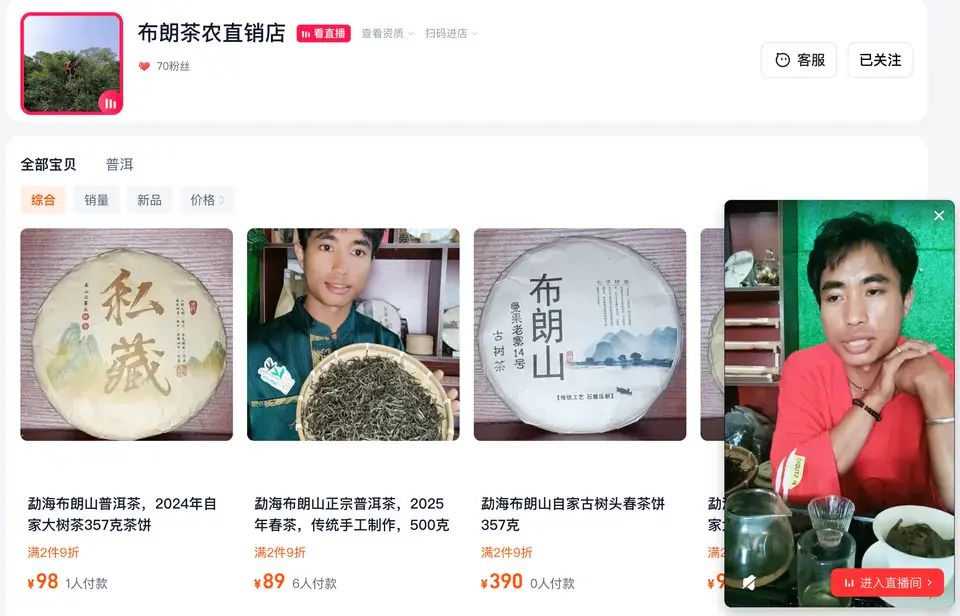
The channel is substantial. Xinhua reported about RMB37 billion in Chinese online tea retail sales in 2024, including more than RMB15 billion in livestream transactions. Bama Tea’s 2025 annual report put its online gross merchandise value at RMB875.5 million, up 4.4%. Those figures describe ongoing commerce, not a market disappearing overnight.
What I would check before paying
I would use a broadcast to discover a seller, then check the shop independently:
- Does its business identity match the store and payment recipient?
- Can it provide a harvest, batch and maker for this tea?
- Do its origin and pricing claims stay consistent outside the broadcast?
- Can I buy through a platform-protected transaction and use a clear returns process?
Private-payment pressure, investment promises and implausibly cheap famous-origin tea would make me pause. So would a host who treats an ordinary sourcing question as an insult.

Garden footage can show a real place without connecting it to the tea being sold. I’d want the lot records to make that connection.

My earlier article on tea fraud follows the handoffs between picking and pressing. Livestreaming adds another claim to check: whether the person and place on screen have the relationship to the tea that the host describes.
Sources and further viewing
- CCTV Financial Investigation: “The livestream tea-selling scam disguised as farmer aid”
- Yunnan Tea Industry Association response and call for enforcement
- China’s 2026 livestream e-commerce supervision measures
- China’s food-livestream operator safety rules
- China Tea Marketing Association market figures reported by Xinhua
- Bama Tea 2025 annual report
Quick answers
Frequently asked questions
What did China's livestream tea investigation find?
The investigation documented staged farmer identities, misleading origin and tree-age claims, and ordinary tea presented as scarce premium material. The findings concerned specific sellers and practices, not every livestream vendor.
Are all tea livestreams fraudulent?
No. Livestreaming is a sales format, not proof of honesty or fraud. Evaluate the exact village, batch, harvest, processor, price plausibility, return terms and continuity between the tea shown and the tea delivered.
How can I buy Pu-erh more safely from a livestream?
Prefer precise lot information, protected payment, a sample-first return policy and sellers with consistent records over time. Treat costumes, scenery, audience size and dramatic bargaining as presentation rather than provenance evidence.