77 records from 紫音希声
Read the pot, then read the page.
This is an illustrated source catalogue, not a list of generic shape stories. Each entry keeps its book page attached. 44forms have a working English note; the rest remain image records until the text is checked.
Showing 62 resolved forms.
Book pages 137-138
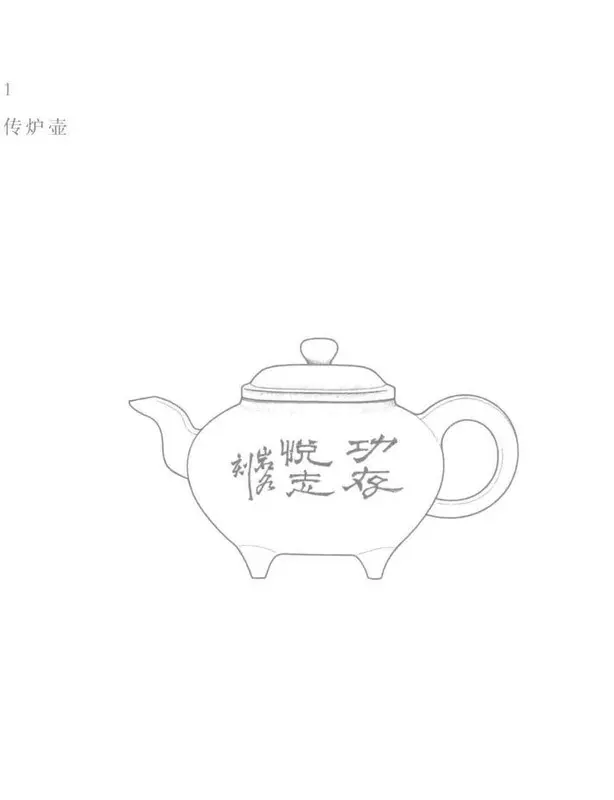
传炉壶
Chuan Lu Teapot The "Chuan Lu" teapot features a bulging body with four conical feet at the base. Square yet round, robust and upright, it represents a classic form in Yixing pottery and...
Read source note →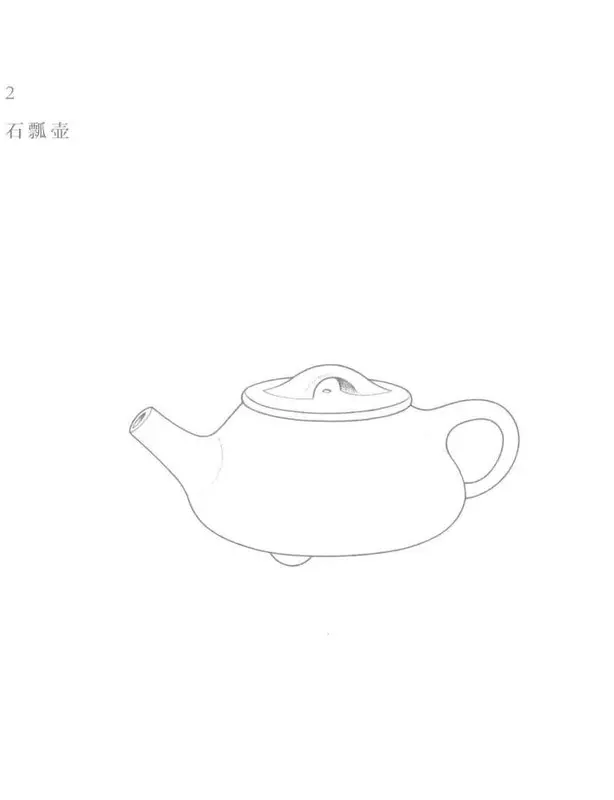
Book pages 139-140
石瓢壶
Transformation and Spirit Shi Ji Hu (Stone Ladle Teapot) Shi Ji Hu is one of the Mansheng teapot styles, evolved from the stone ladle. The stone ladle is a small vessel with a handle and...
Read source note →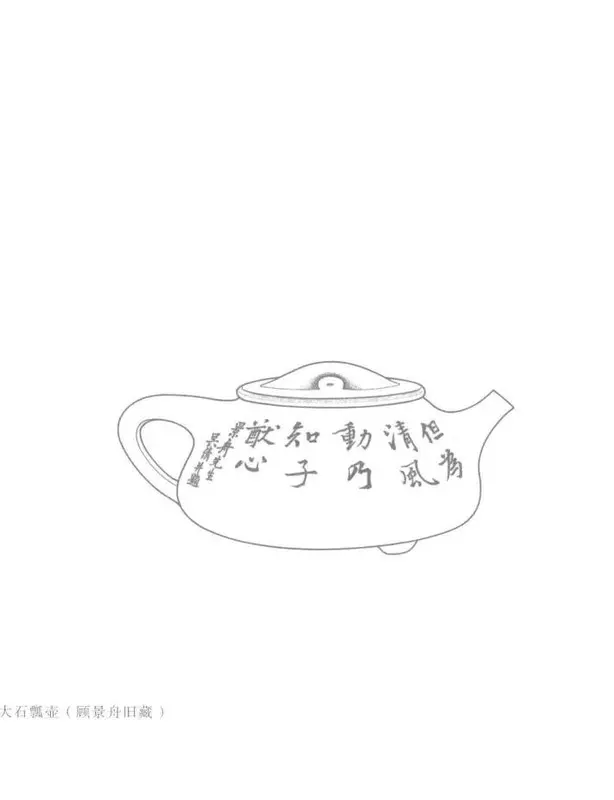
Book pages 141-142
大石瓢壶
Wu Hufan's Bamboo Painting Series "The brush is magnificent, green dripping with vitality, branch by branch generating cool shade." The poetry on the reverse side also consists of works by...
Read source note →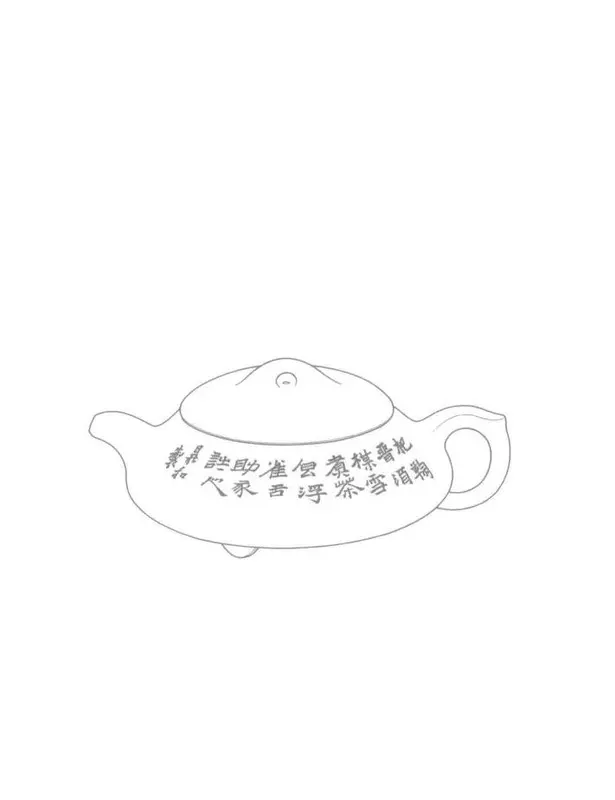
Book page 148
中石瓢壶
Illustrated source record. The accompanying prose has not been reliably extracted.
Inspect image record →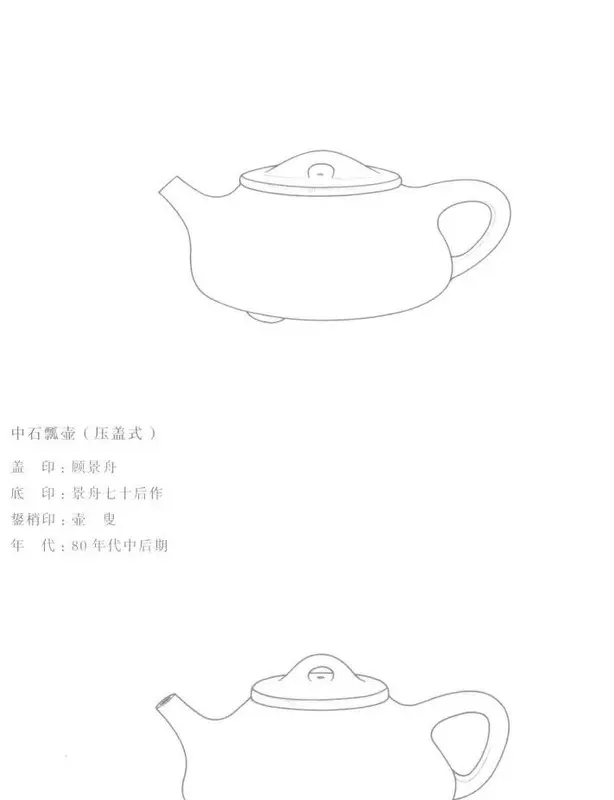
Book pages 149-150
中石瓢壶
Transformation into Spirit Zhongshi International Teapot (压盖式 Pressed Lid Style) Made during Gu Jingzhou's later years, with a capacity of 370 milliliters, this teapot is moderate in size...
Read source note →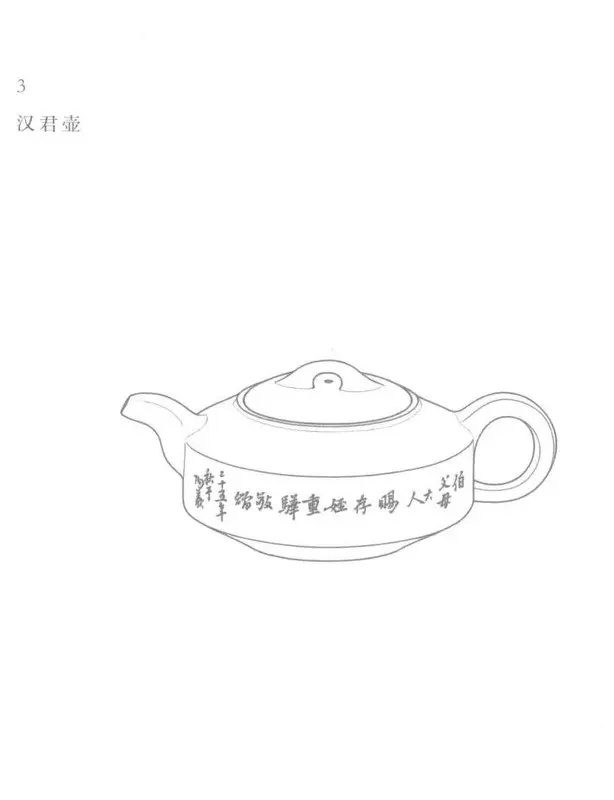
Book page 151
汉君壶
Illustrated source record. The accompanying prose has not been reliably extracted.
Inspect image record →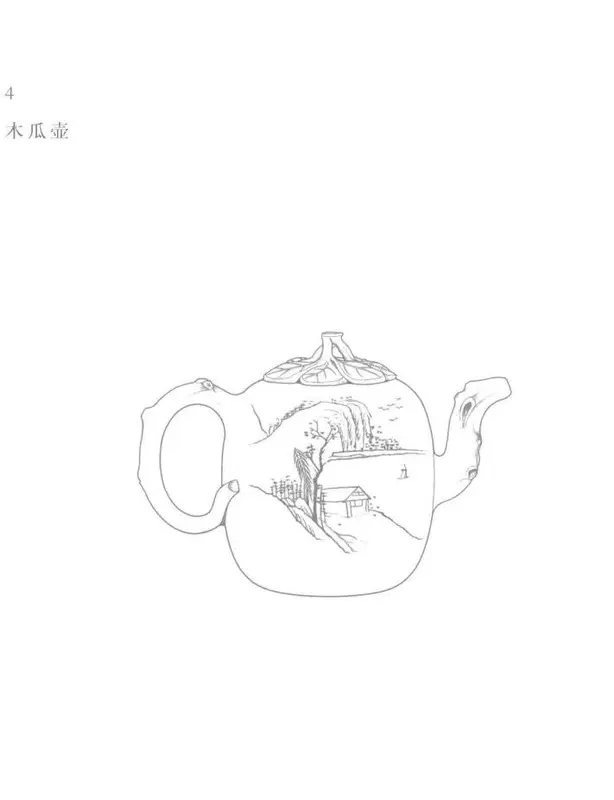
Book pages 153-154
木瓜壶
Transformation of Spirit In traditional Chinese culture, the wood apple (mugua) is considered an auspicious object. The motif derives from the Book of Songs (Shijing): "You cast me a wood...
Read source note →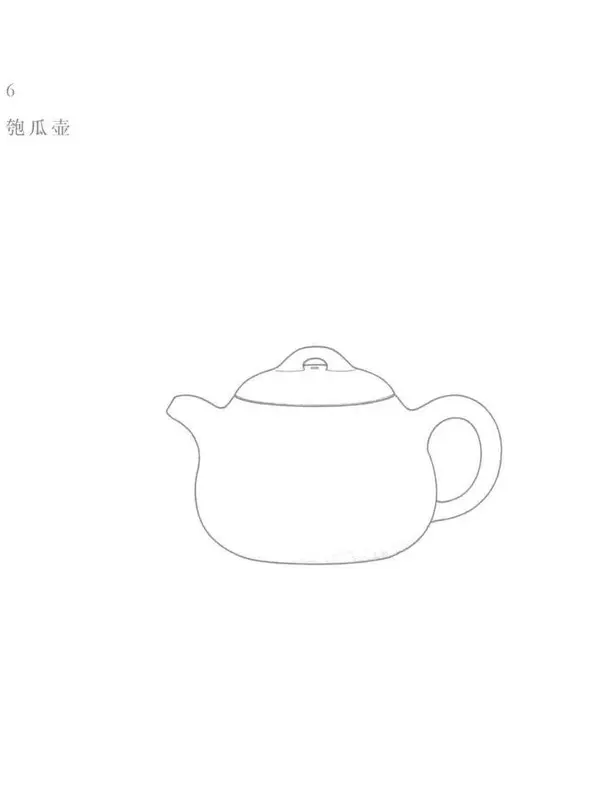
Book pages 157-158
瓢瓜壶
Art Originates from Nature and Transcends Nature The Jingua teapot's form derives from the "ball gourd" with its short handle and round belly. In the Ming Dynasty, Li Shizhen's Compendium...
Read source note →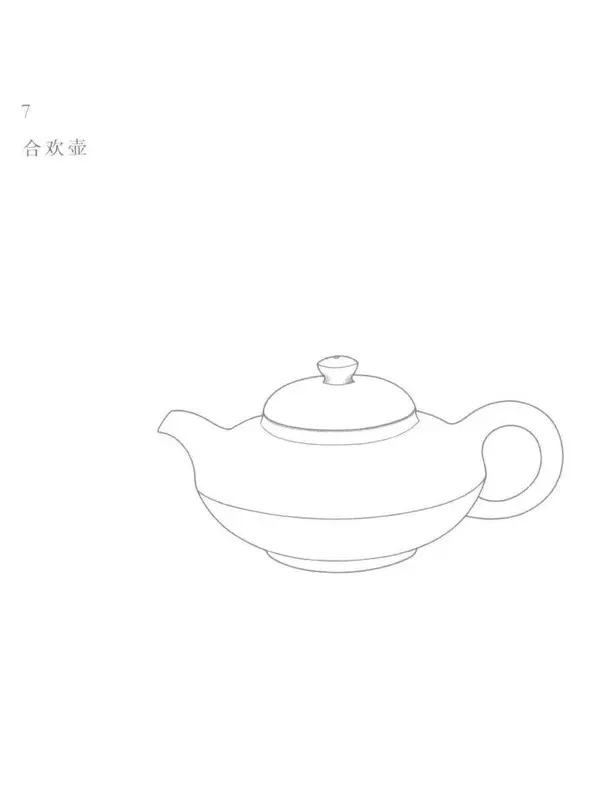
Book pages 159-160
合欢壶
Hehuan Teapot The "Hehuan teapot" is a traditional form in Yixing pottery, and has become one of the classic styles among the "Eighteen Mansheng Forms." Typically, Yixing teapots are...
Read source note →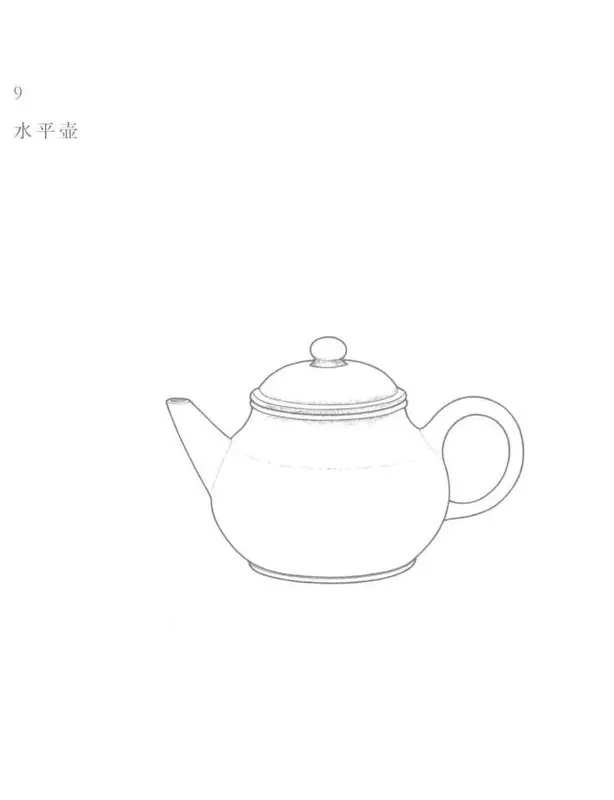
Book pages 163-164
水平壶
Shuiping Teapots The "shuiping" teapot has a long history and is popular in Guangdong, Fujian, and Southeast Asian regions of China. It is the primary vessel used for "gongfu tea." The...
Read source note →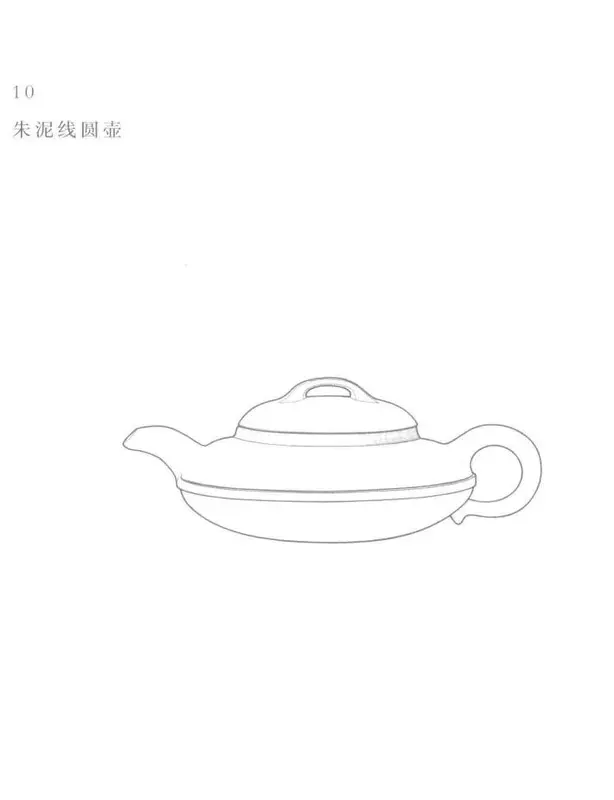
Book page 165
紫
Illustrated source record. The accompanying prose has not been reliably extracted.
Inspect image record →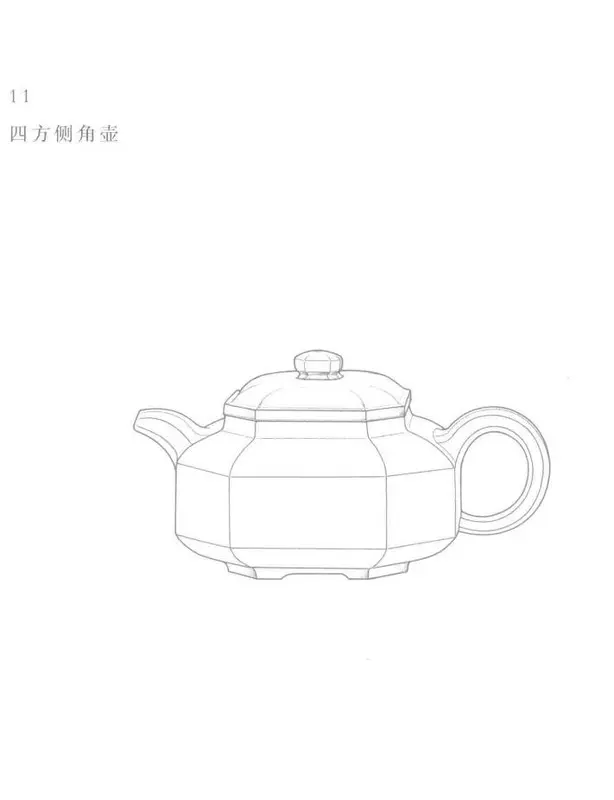
Book pages 167-168
四方侧角壶
Transformation of Spirit The "Four-Sided Angular Pot" was created in the late 1930s and early 1940s. It comes in both green clay and purple clay varieties, with a warm, lustrous, and...
Read source note →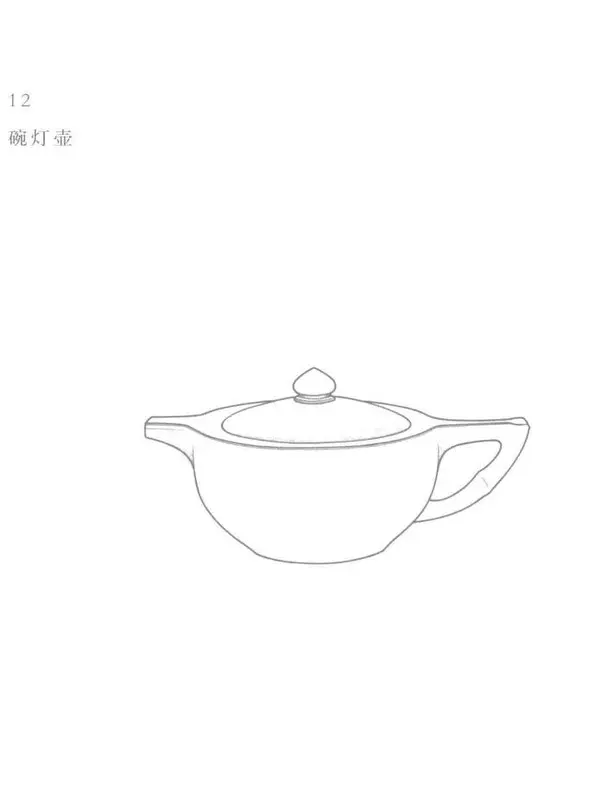
Book pages 169-170
艳灯壶
The Oil Lamp Teapot The design takes its form from the oil lamps used in daily life by common people, typically bowl-shaped with a wick placed in the center. The "Oil Lamp Teapot" created...
Read source note →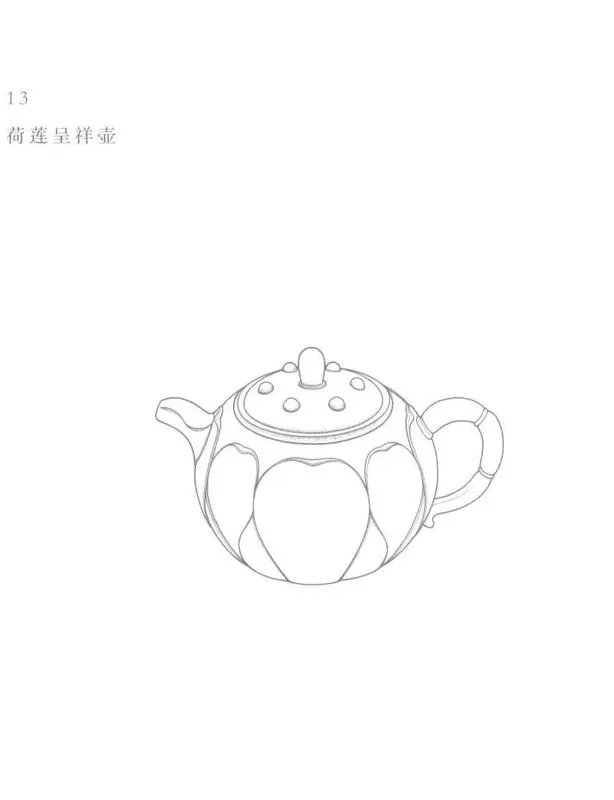
Book pages 171-172
荷莲呈祥壶
Transformation of Spirit The lotus is an important expressive motif in Chinese culture. From the Book of Songs ("On the mountain grows the fusang, in the marsh grows the lotus"), to the...
Read source note →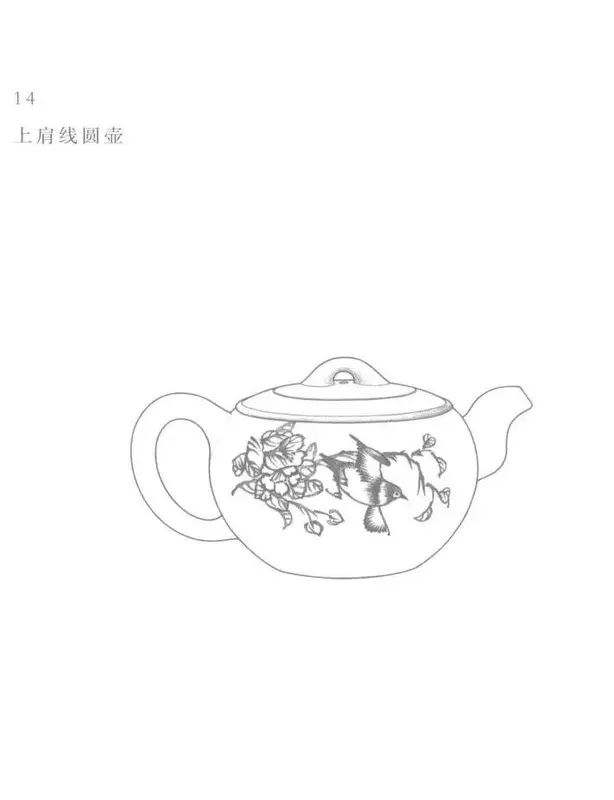
Book pages 173-174
上肩线圆壶
Shang Bian Xian Yuan (Upper Flat Line Round Teapot) An early work by Gu Jingzhou, named for the convex rounded line on the upper shoulder area. The overall body resembles a sphere, with the...
Read source note →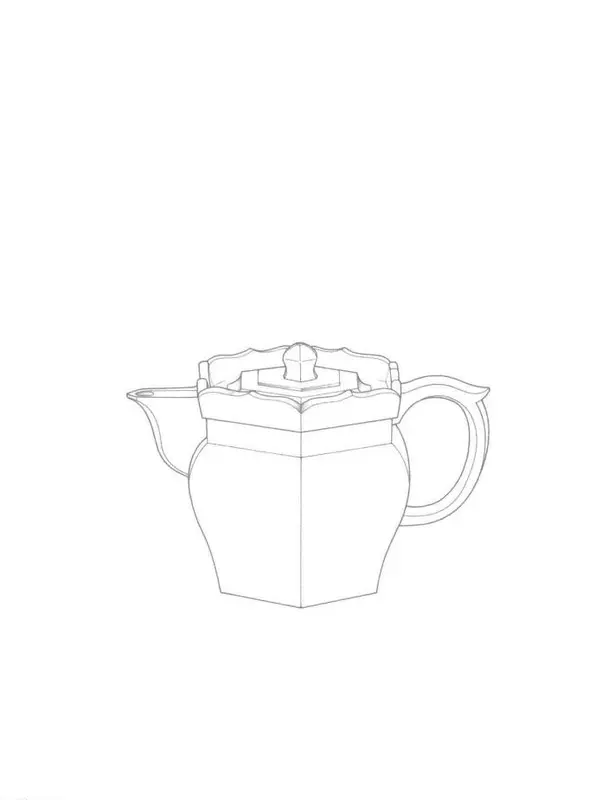
Book page 180
僧帽壶
Illustrated source record. The accompanying prose has not been reliably extracted.
Inspect image record →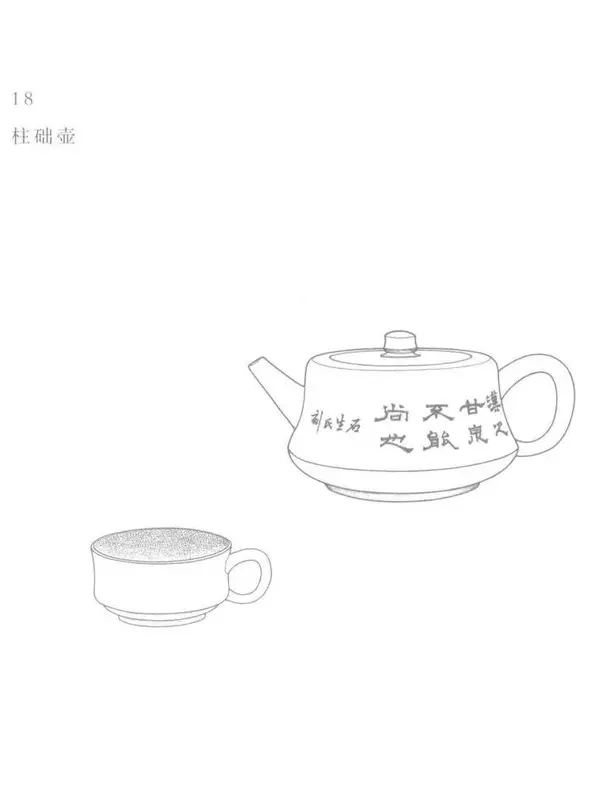
Book pages 183-184
柱础壶
Zhu Chu Guo (Column Base Pot) The "Zhu Chu Guo" belongs to the traditional teapot style, taking its design foundation from column bases in ancient architecture. Throughout the dynasties,...
Read source note →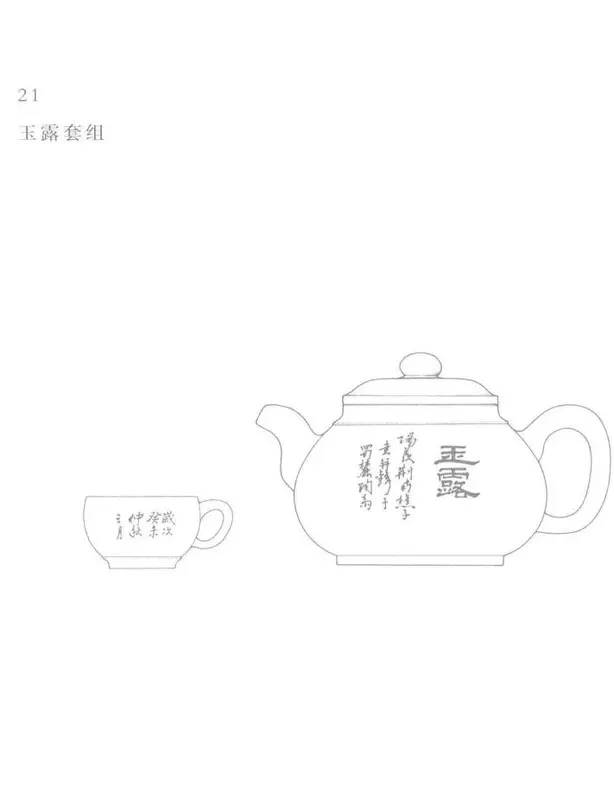
Book pages 191-192
玉露
Divine Craftsmanship The "Jade Dew Tea Set" was created in the autumn of 1943, when Gu Jingzhou was 28 years old. Having been tempered through his early experience of creating imitations in...
Read source note →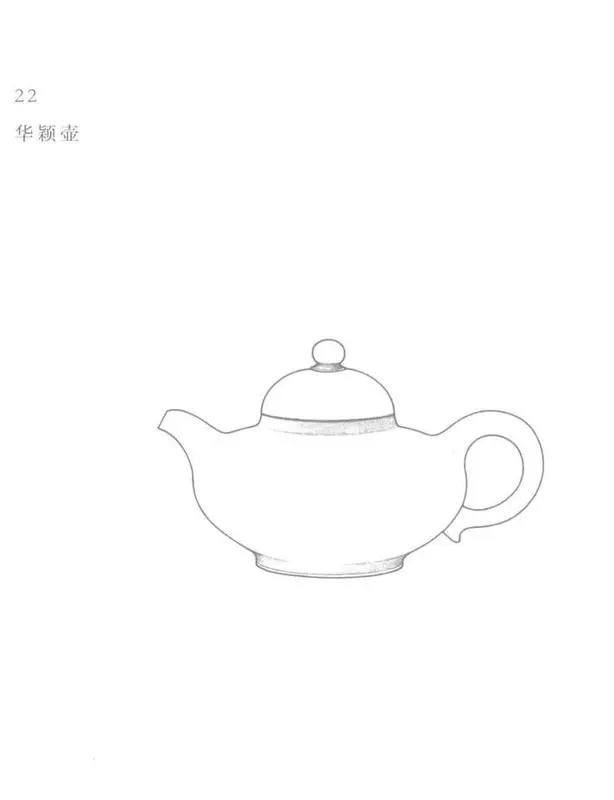
Book pages 193-194
华颖壶
The Huaying Teapot The design concept of the "Huaying Teapot" lies in expressing the artistic conception of flower buds blooming and the vibrant arrival of spring. "Hua" (华) means...
Read source note →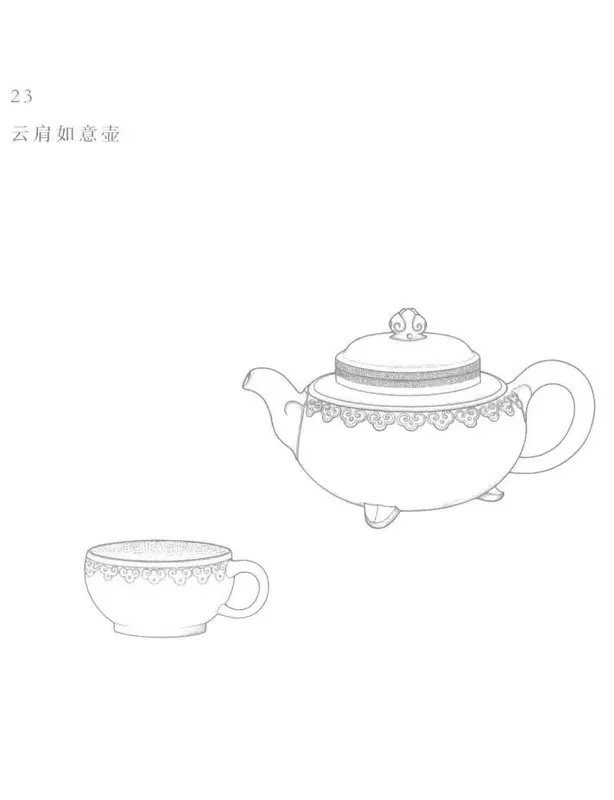
Book pages 195-196
三足云肩如意壶
The Ring-Foot Cloud-Shoulder Ruyi Teapot and Three-Foot Cloud-Shoulder Ruyi Teapot The "Ring-Foot Cloud-Shoulder Ruyi Teapot" is a masterpiece from Gu Jingzhou's early creative period. Its...
Read source note →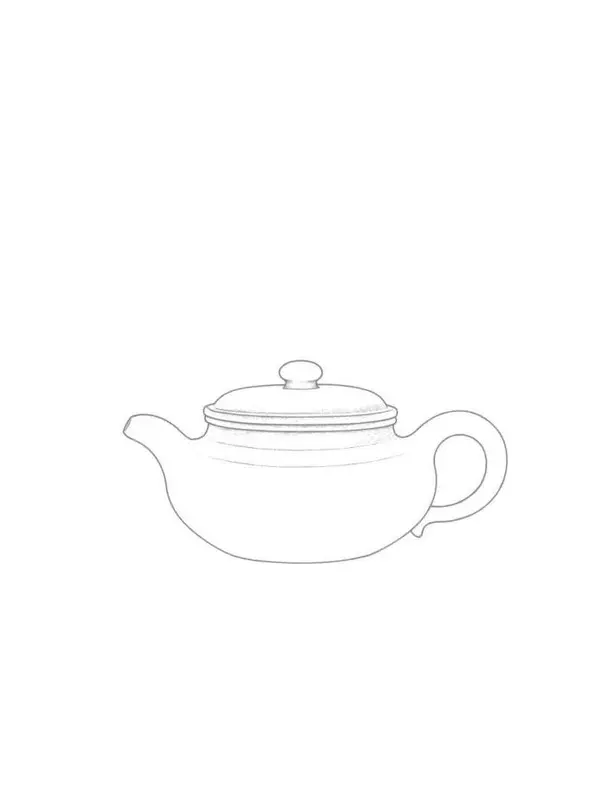
Book page 198
仿鼓壶
Illustrated source record. The accompanying prose has not been reliably extracted.
Inspect image record →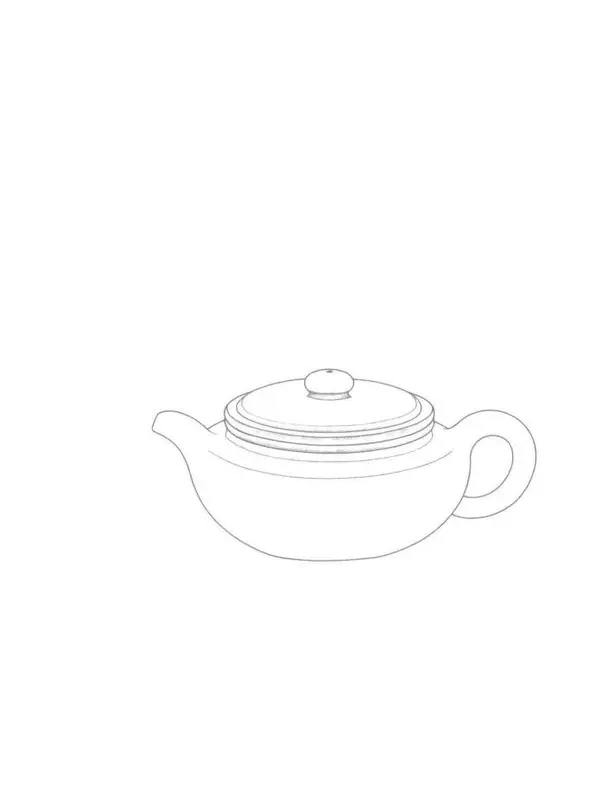
Book pages 201-202
仿鼓壶
Transformation and Spirit Chasing and surpassing the pinnacle of Yixing pottery in his own heart naturally became a creative impulse he had been nurturing for a long time. The form of the...
Read source note →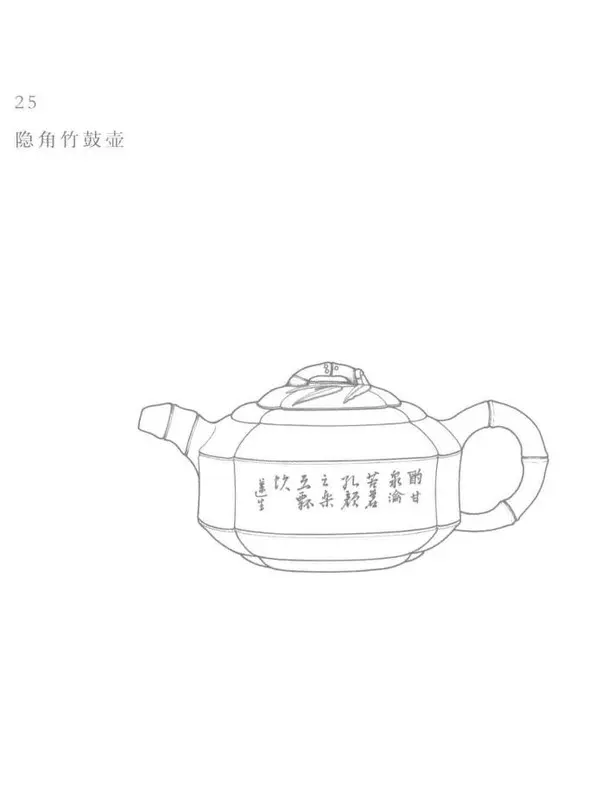
Book page 203
隐角竹鼓
Illustrated source record. The accompanying prose has not been reliably extracted.
Inspect image record →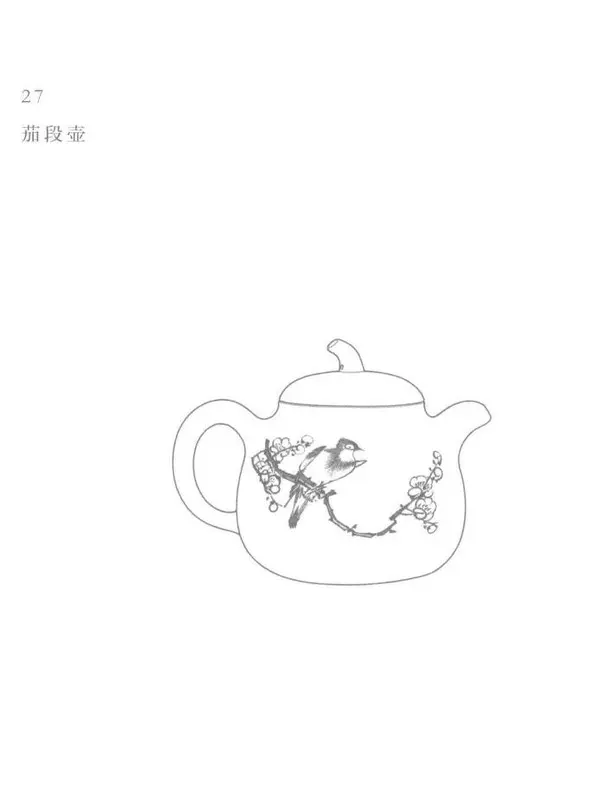
Book pages 207-208
茄段壶
The Eggplant Segment Teapot The form of the "Eggplant Segment Teapot" draws inspiration from ripe eggplants on the branch—vivid and ingenious, full and upright, solid and abundant without...
Read source note →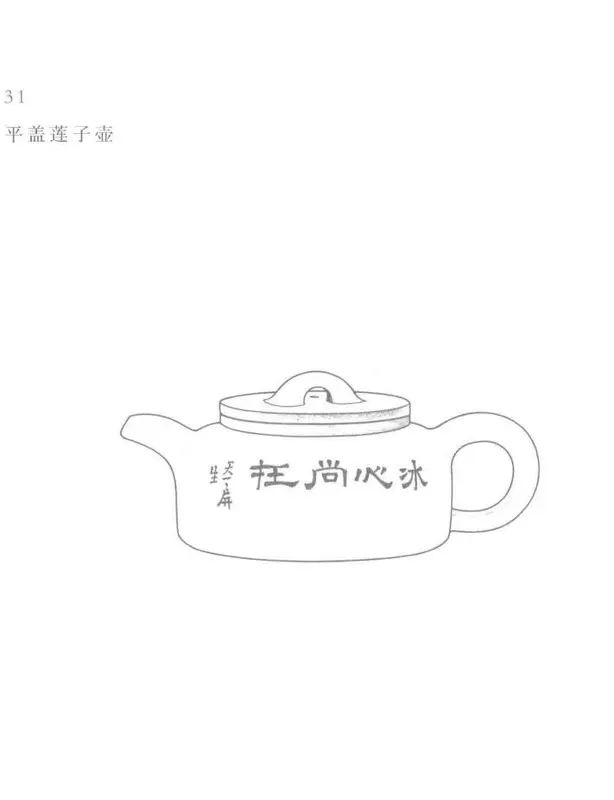
Book pages 215-216
平盖莲子壶
Flat-Lid Lotus Seed The lid fits tightly without gaps. The spout is elongated and graceful. This teapot lowers the center of gravity based on traditional forms, presenting an elegant...
Read source note →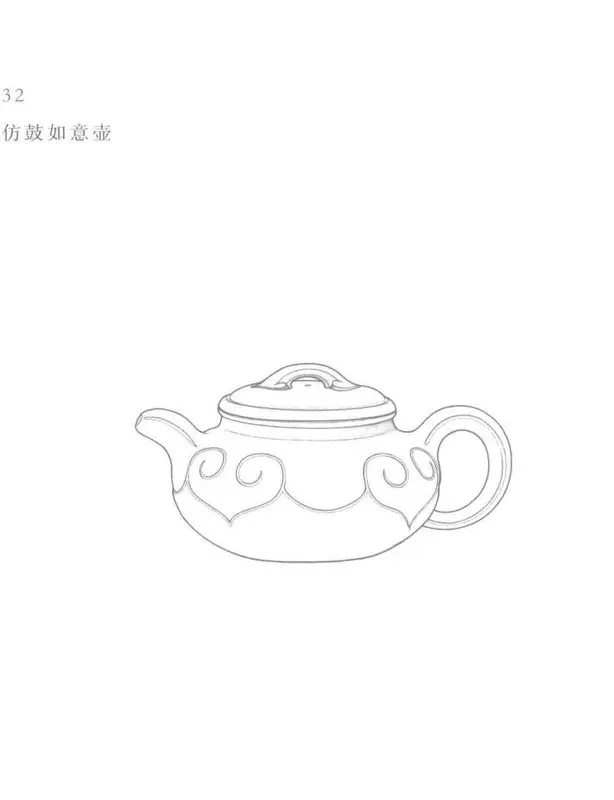
Book page 217
仿鼓如意壶
Illustrated source record. The accompanying prose has not been reliably extracted.
Inspect image record →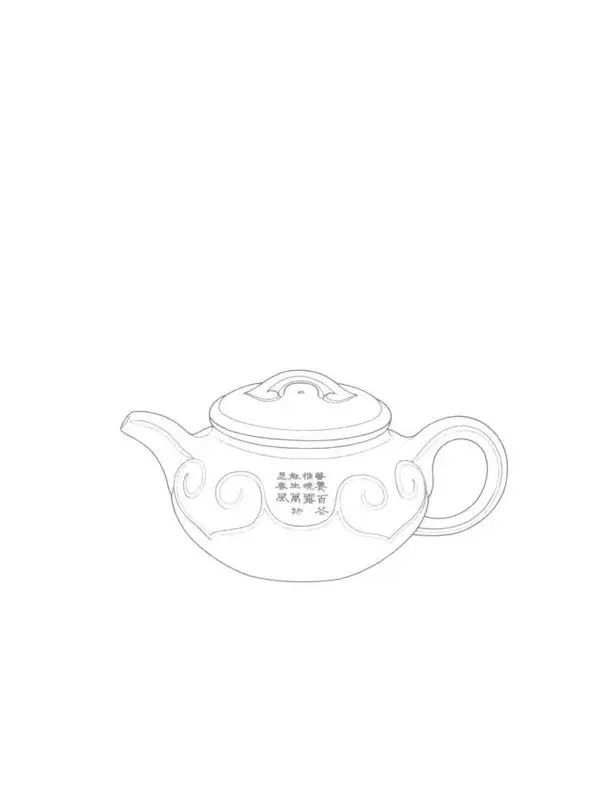
Book pages 218-219
仿鼓如意壶
Sun Xiao's Tears Four As the name suggests, the "Imitation Drum Ruyi Teapot" is based on the traditional "Imitation Drum Teapot," with the addition of ruyi pattern decorations. Four groups...
Read source note →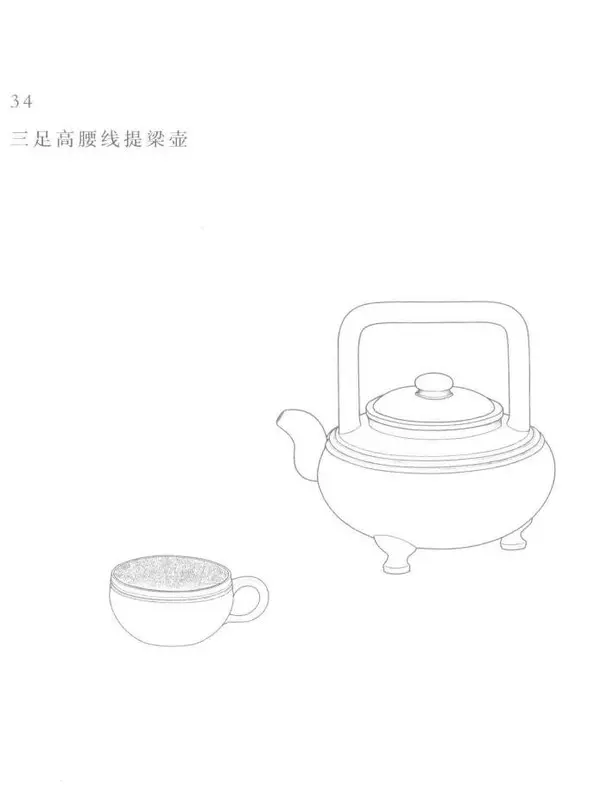
Book pages 223-224
三足高腰线提梁壶
The Three-Legged High-Waisted Overhead Handle Teapot The form of the "Three-Legged High-Waisted Overhead Handle Teapot" originates from ancient bronze ritual vessels. Its body is simple,...
Read source note →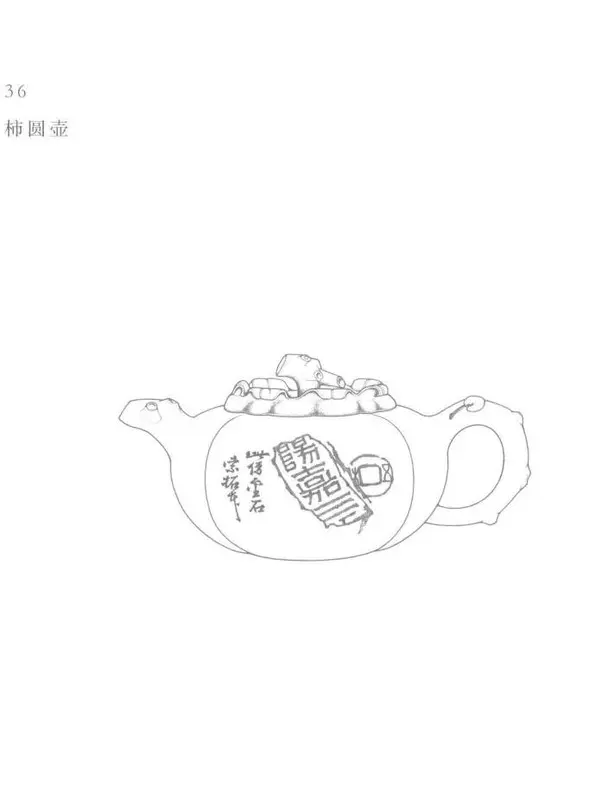
Book page 227
柿圆壶
Illustrated source record. The accompanying prose has not been reliably extracted.
Inspect image record →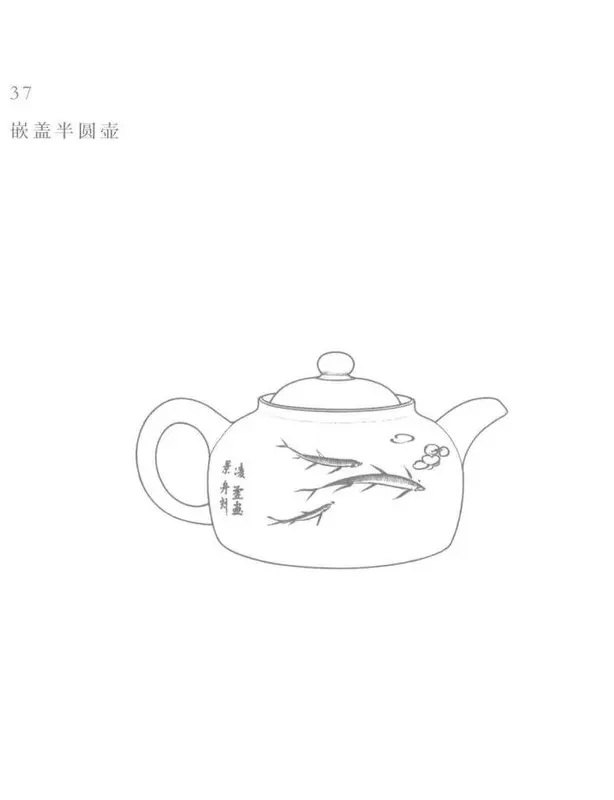
Book pages 229-230
半圆壶
"Half-Circle Teapot with Ribbed Lid" Purple Clay Teapot The body of the purple clay teapot is semi-circular in form. It features decorative ribbed lines around the rim, which not only...
Read source note →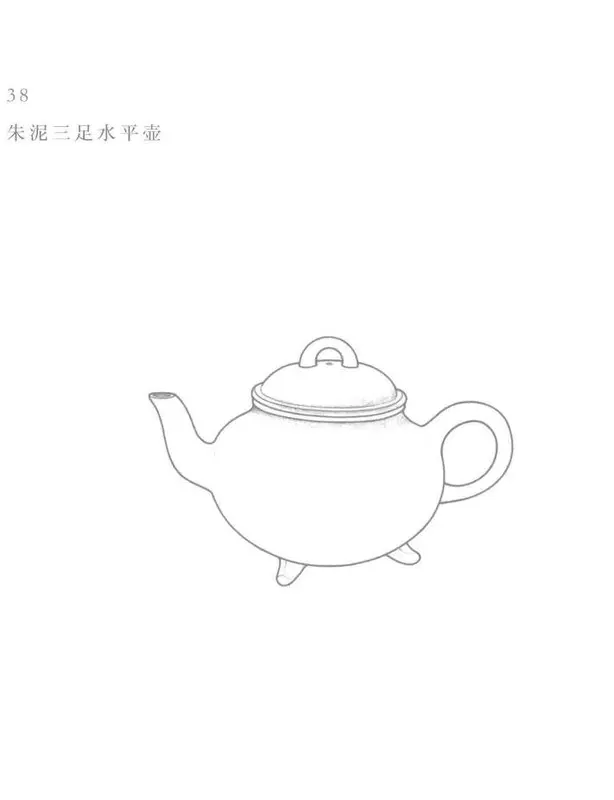
Book page 231
水平壶
Illustrated source record. The accompanying prose has not been reliably extracted.
Inspect image record →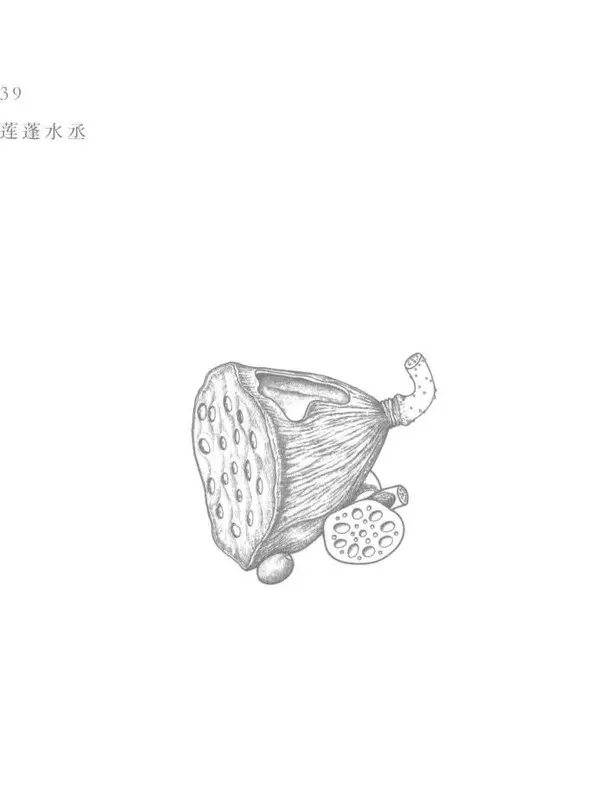
Book pages 233-234
莲蓬水丞
Gu Jingzhou's Lotus Water Vessel Gu Jingzhou had exceptionally rich experience in cultivating and growing lotus flowers, and his flowers were famously beautiful throughout the region. In...
Read source note →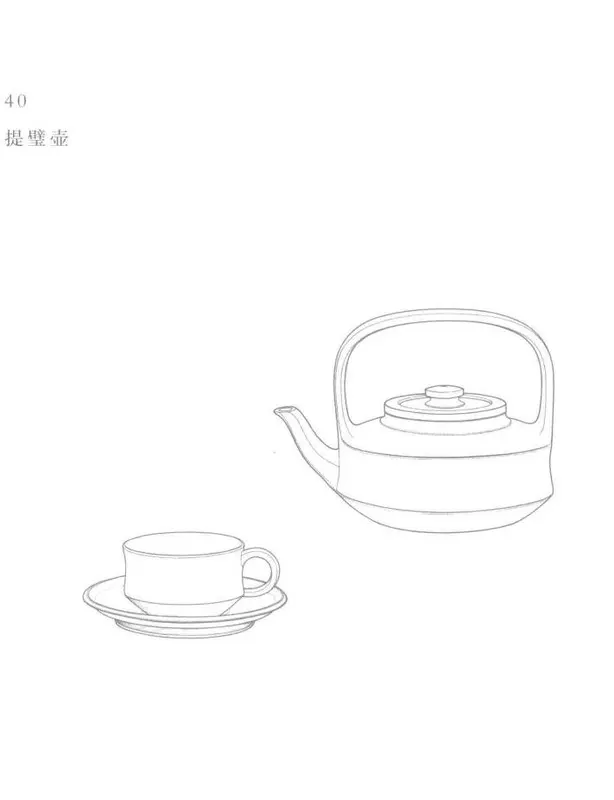
Book pages 235-236
提壁壶
Tibì Pot The "Tibì Pot" was created with the participation of Professor Gao Zhuang from the Central Academy of Arts and Crafts in its design. From the initial conceptual sketches to the...
Read source note →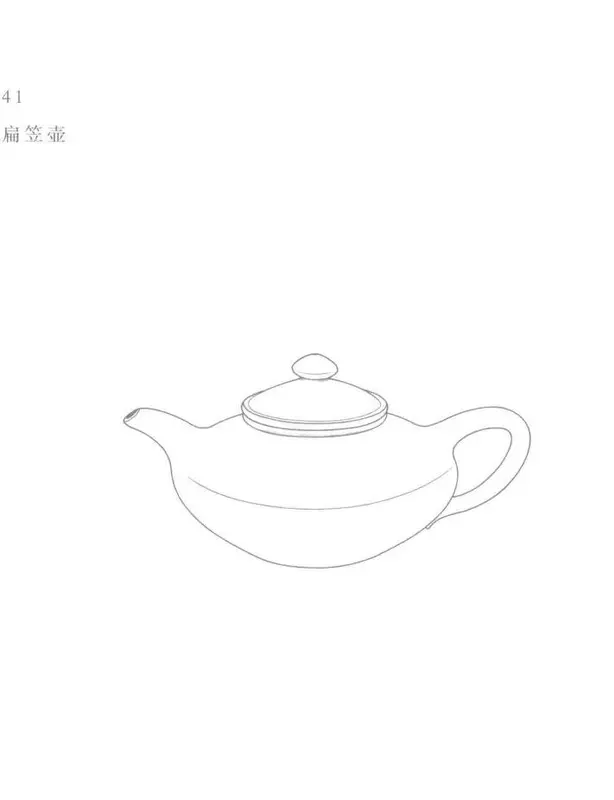
Book pages 237-238
扁笠壶
Yixing Pottery and Gu Jingzhou's Collaborative Works From the 1950s onward, Gu Jingzhou formed close friendships with several professors from art academies, engaging in mutual exchange and...
Read source note →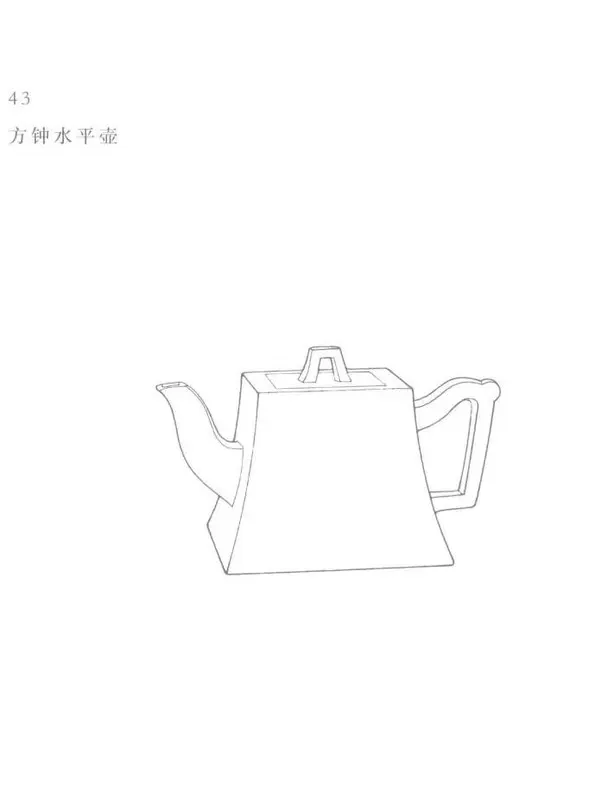
Book pages 241-242
方钟壶
Square Bell Water Leveler The "Square Bell Water Leveler" takes the square bell as its form. The base is wide, flat, and stable, while the body of the pot gradually expands from top to...
Read source note →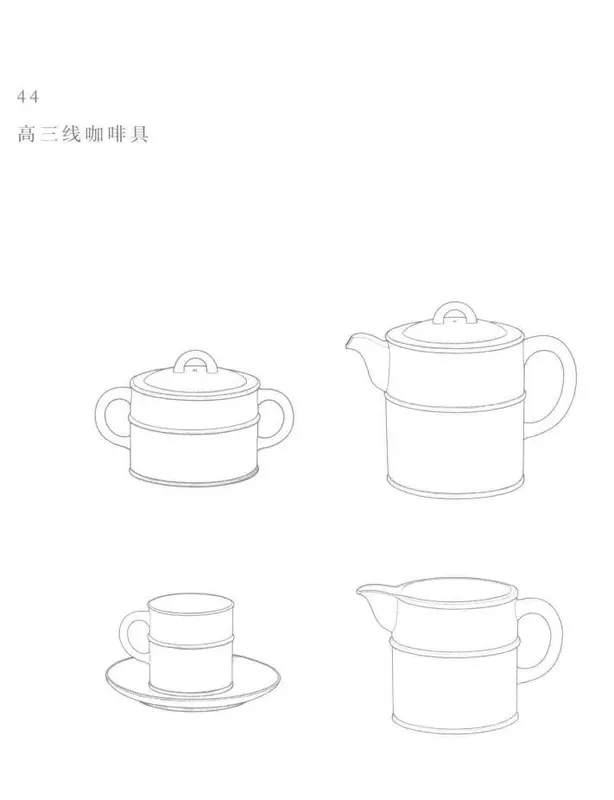
Book pages 243-244
高三线咖啡具
High Three-Line Coffee Set The "High Three-Line Coffee Set" was designed by Yu Yanzhong, a professor at the Central Academy of Arts and Crafts. This set includes eleven pieces in total: a...
Read source note →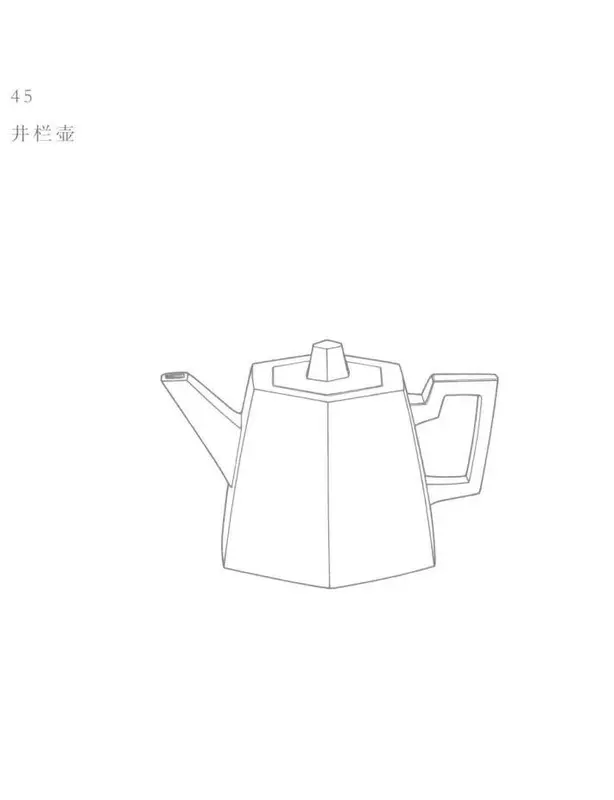
Book pages 245-246
井栏壶
Transformation and Spirit Well Curb A well curb is the protective railing above a water well. The Shili states: "Using wood as a frame, surrounding the well, to prevent people from falling...
Read source note →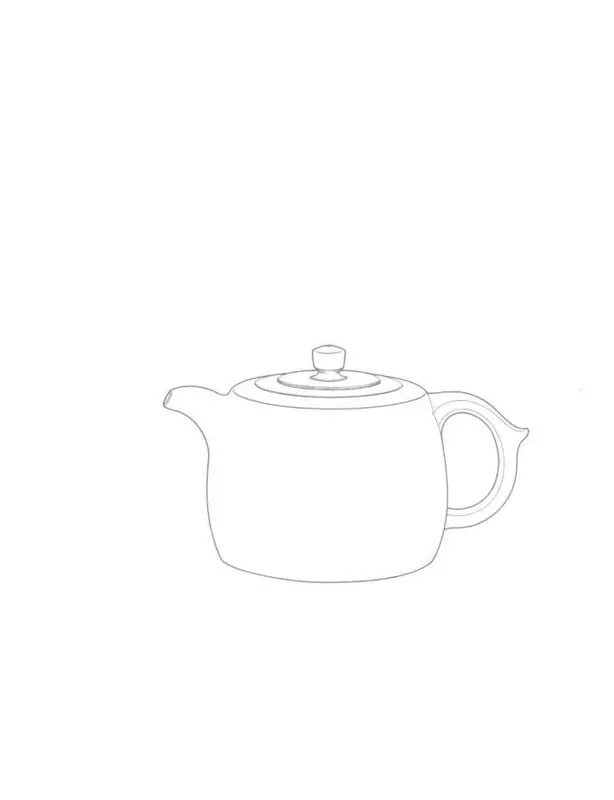
Book pages 247-248
高井栏壶
Transformation into Spirit The "Tall Well Curb Teapot" was created in the 1970s and 1980s. With its columnar body, slightly tapered at top and bottom, the overall form is dignified and...
Read source note →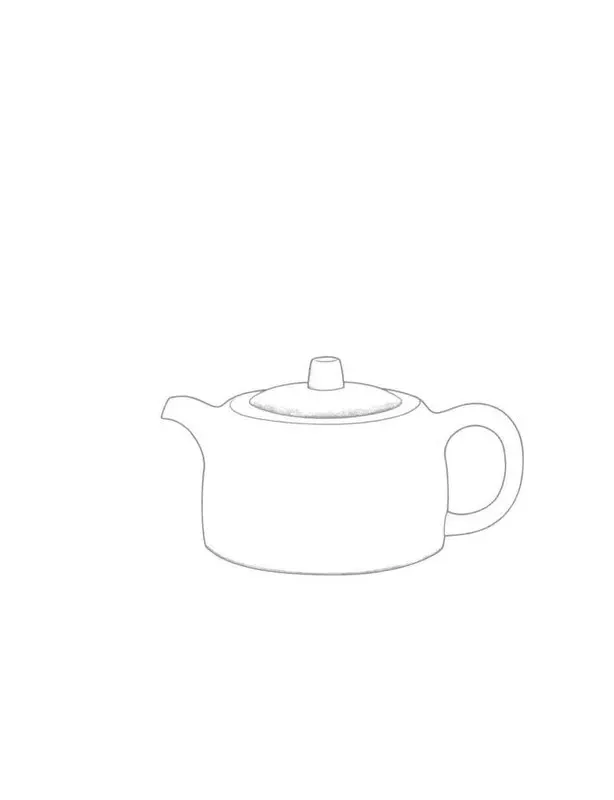
Book pages 249-250
矮井栏壶
The "Short Well-Curb Teapot" The "Short Well-Curb Teapot" was created by Gu Jingzhou in his later years. He critically absorbed the stylistic characteristics of Chen Mansheng's "Longevity...
Read source note →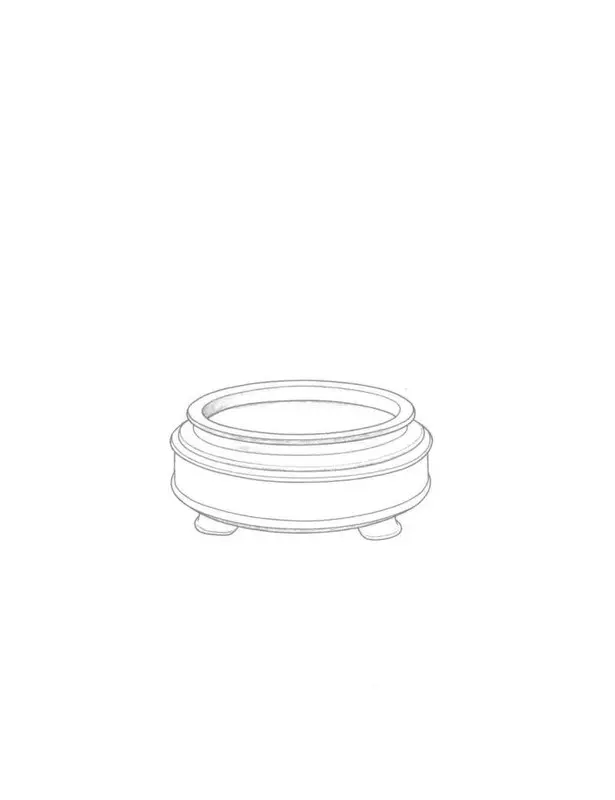
Book page 254
蒲包壶
Illustrated source record. The accompanying prose has not been reliably extracted.
Inspect image record →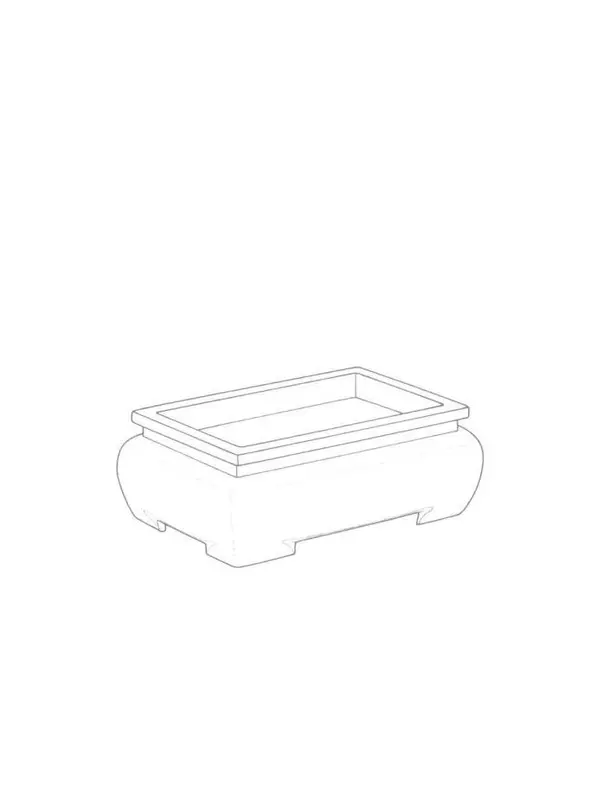
Book page 256
蒲包口长方形小花盆
Illustrated source record. The accompanying prose has not been reliably extracted.
Inspect image record →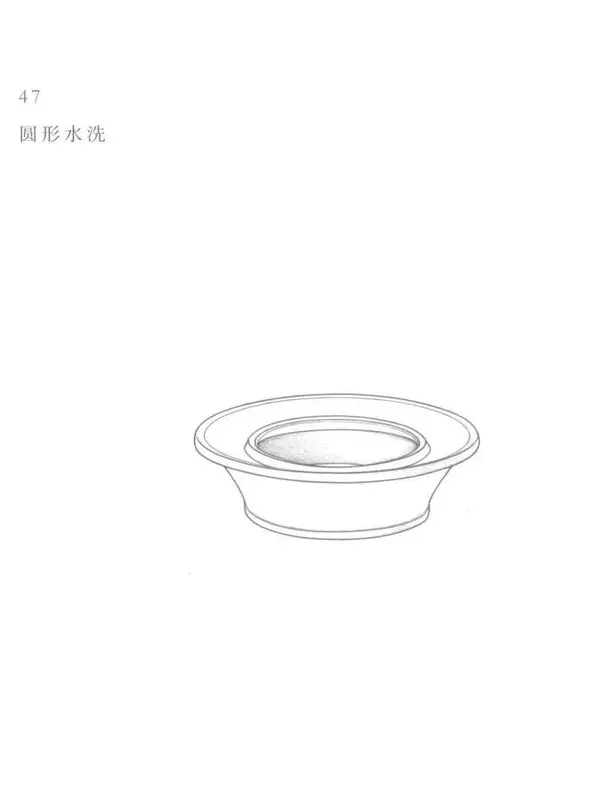
Book page 261
希
Illustrated source record. The accompanying prose has not been reliably extracted.
Inspect image record →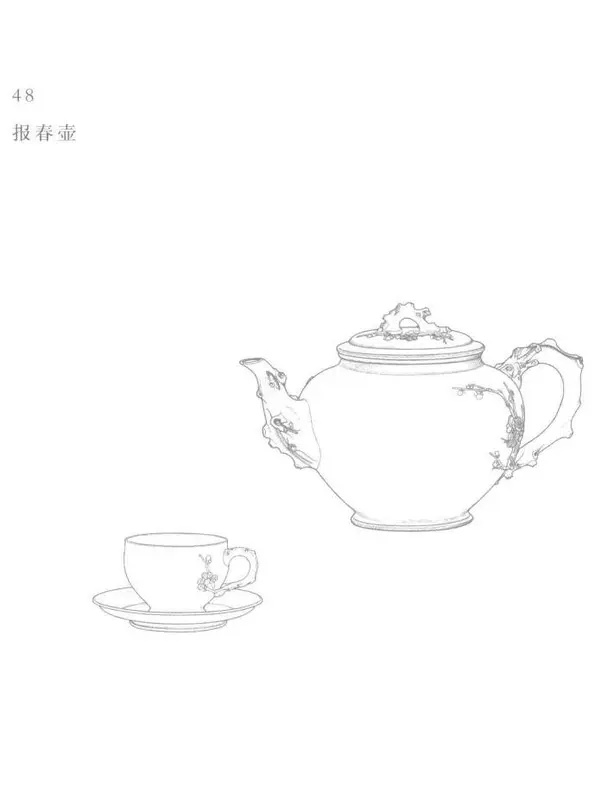
Book pages 263-264
报春壶
Gu Jingzhou's "Herald of Spring" Teapot The entire vessel's contour lines are fresh and ethereal, with the body full and robust, its spirit naturally formed. The spout, handle, and lid knob...
Read source note →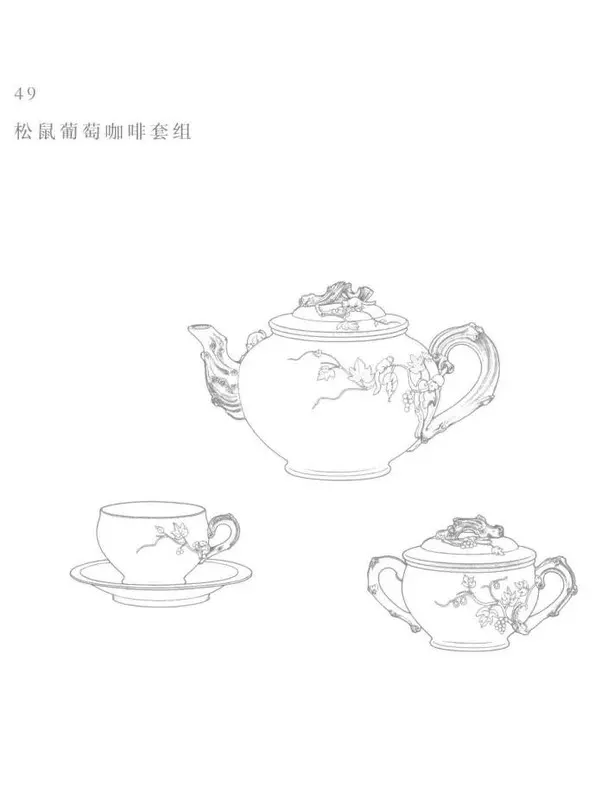
Book pages 265-266
报春壶
Transformation of Spirit The "Squirrel and Grape Coffee Set" includes ten pieces in total: a coffee pot, a creamer, cups, and saucers, with the interior walls glazed in harmonious white....
Read source note →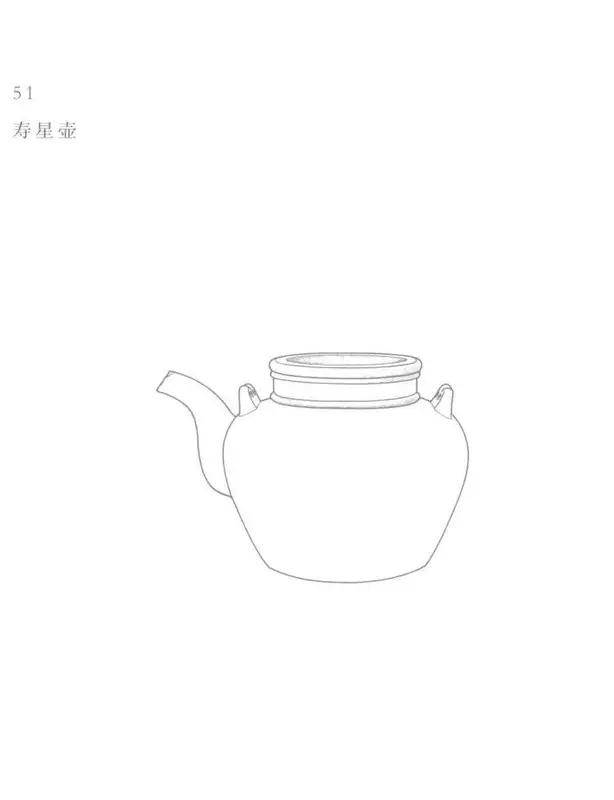
Book pages 269-270
寿星壶
The Shouxing Teapot The "Shouxing pot" is a classic form among mass-produced Yixing wares, popular in northern rural markets. Due to its relatively large size and excellent quality at...
Read source note →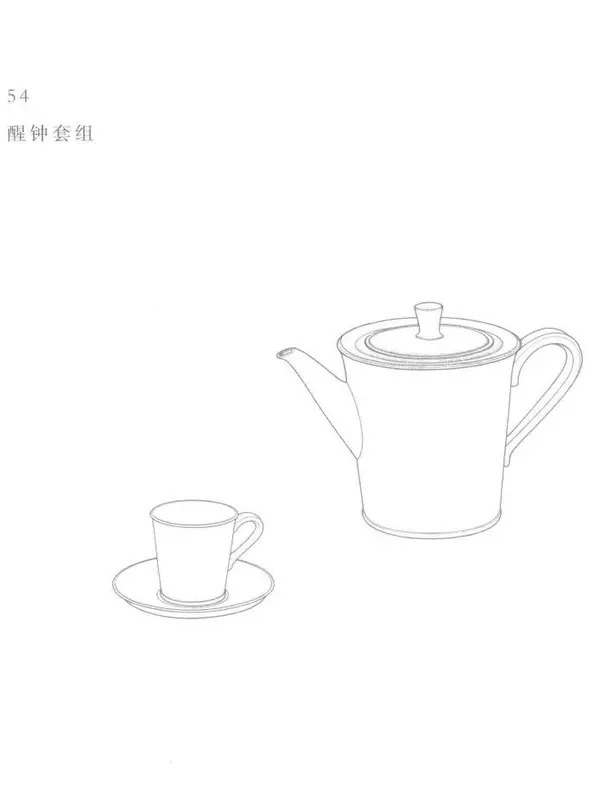
Book page 275
醒钟壶
Illustrated source record. The accompanying prose has not been reliably extracted.
Inspect image record →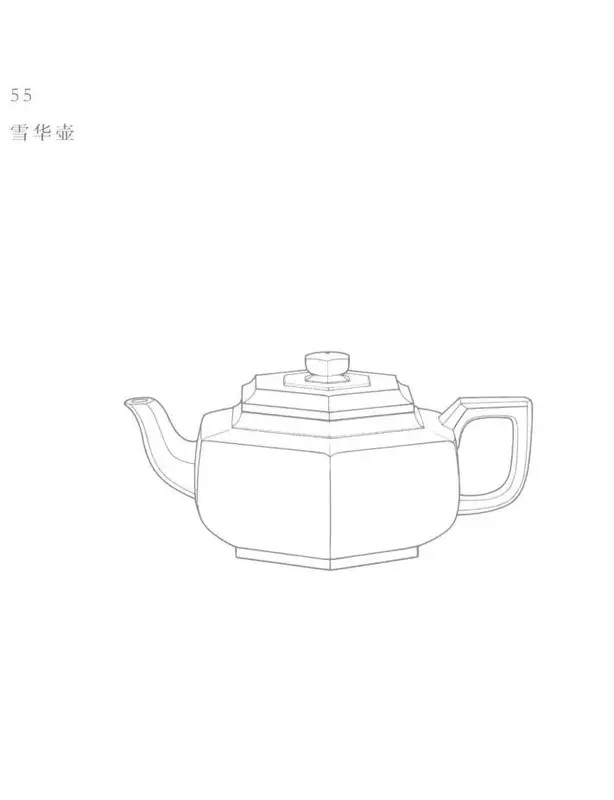
Book pages 277-278
雪华壶
Xuehua Teapot The "Xuehua Teapot" was created in the 1970s. The body of the pot is hexagonal in shape, resembling a snowflake, symbolizing the auspicious meaning of "timely snow heralds a...
Read source note →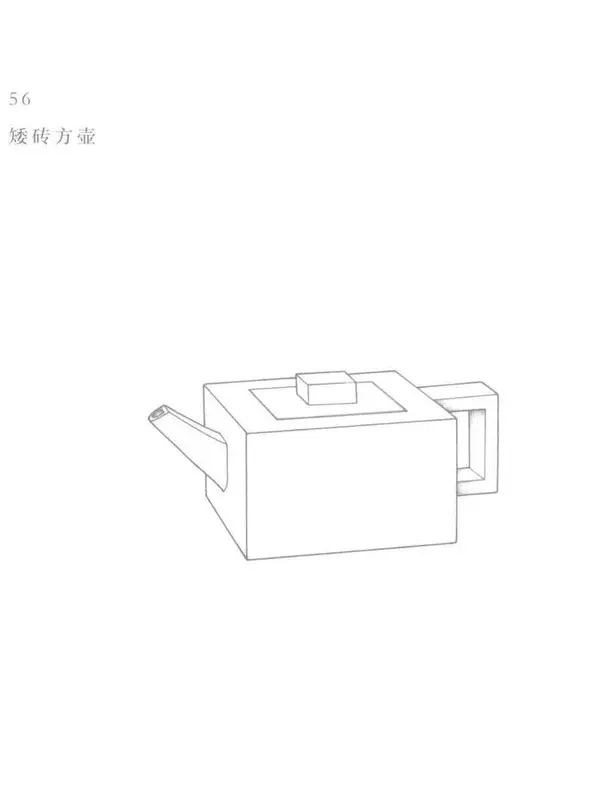
Book pages 279-280
矮砖方壶
Transformation of Spirit "Casting Boasts of Squareness" Formed from square bricks, the lid fits tightly and evenly. The body panels join squarely and crisply, with straight and sharp lines,...
Read source note →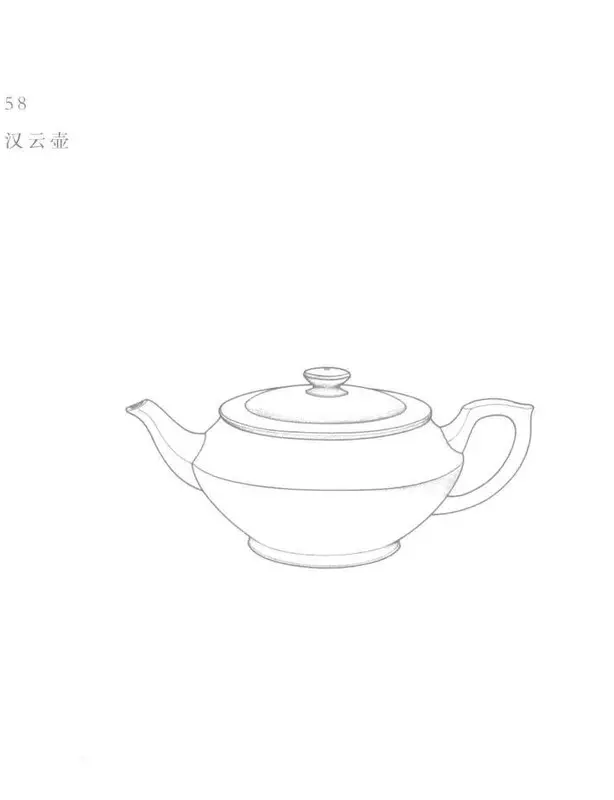
Book page 283
汉云壶
Illustrated source record. The accompanying prose has not been reliably extracted.
Inspect image record →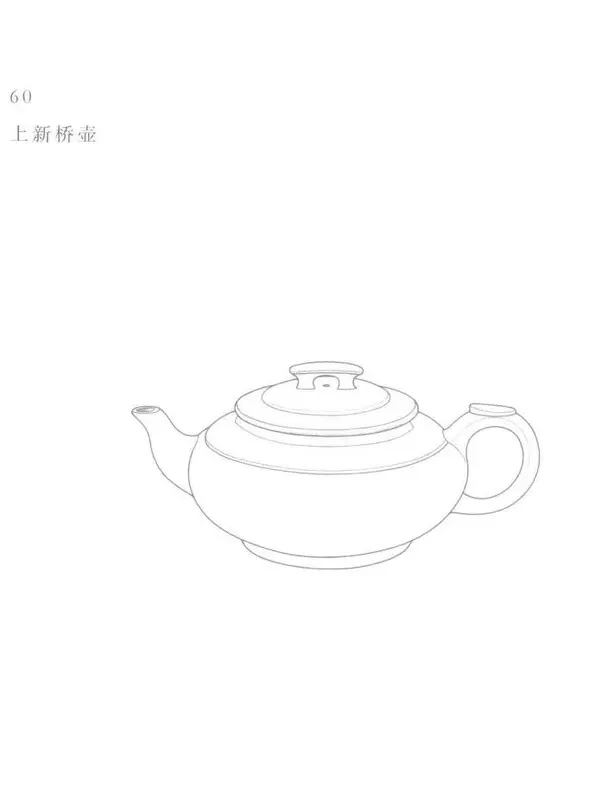
Book pages 287-288
上新桥壶
Shangxin Bridge Teapot "Spring waters stretch beyond the sky, listening to rain from a moored boat with sleepy eyes." In the writings of Wei Zhuang, a poet from the Former Shu during the...
Read source note →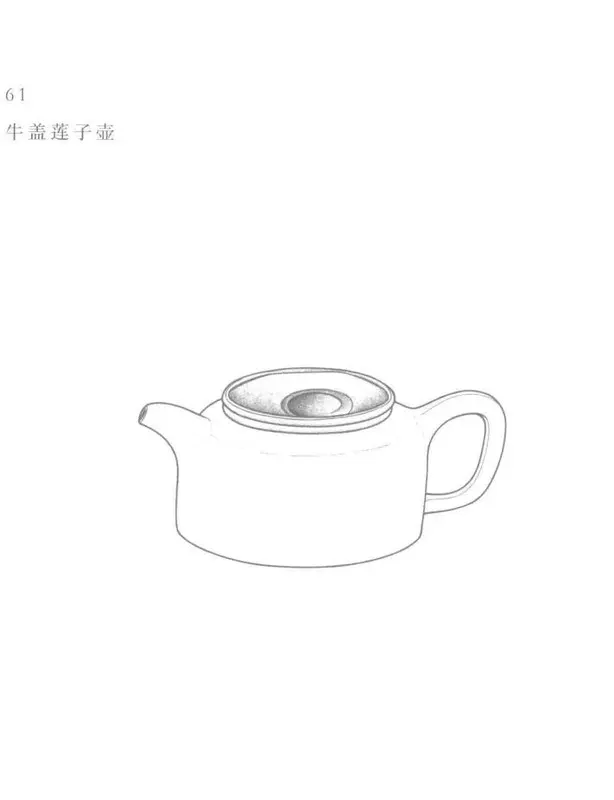
Book page 289
牛盖莲子壶
Illustrated source record. The accompanying prose has not been reliably extracted.
Inspect image record →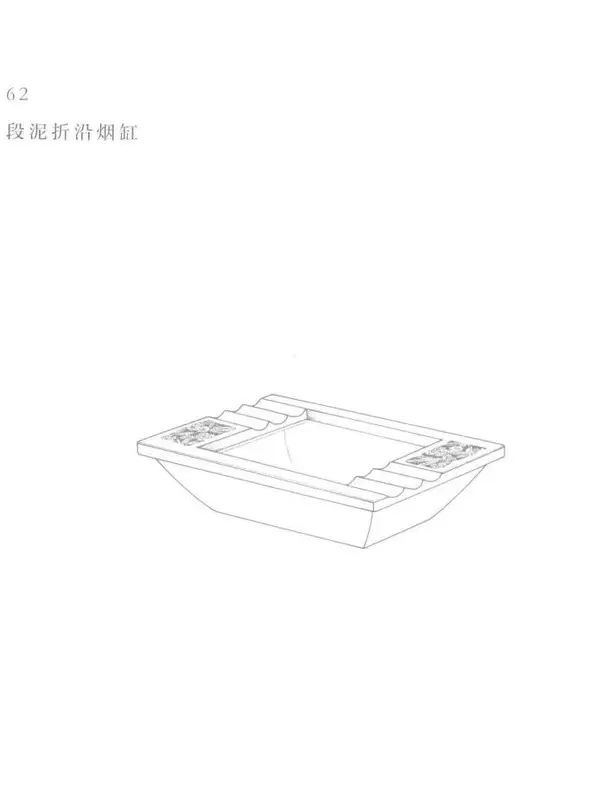
Book page 291
折沿烟缸
Illustrated source record. The accompanying prose has not been reliably extracted.
Inspect image record →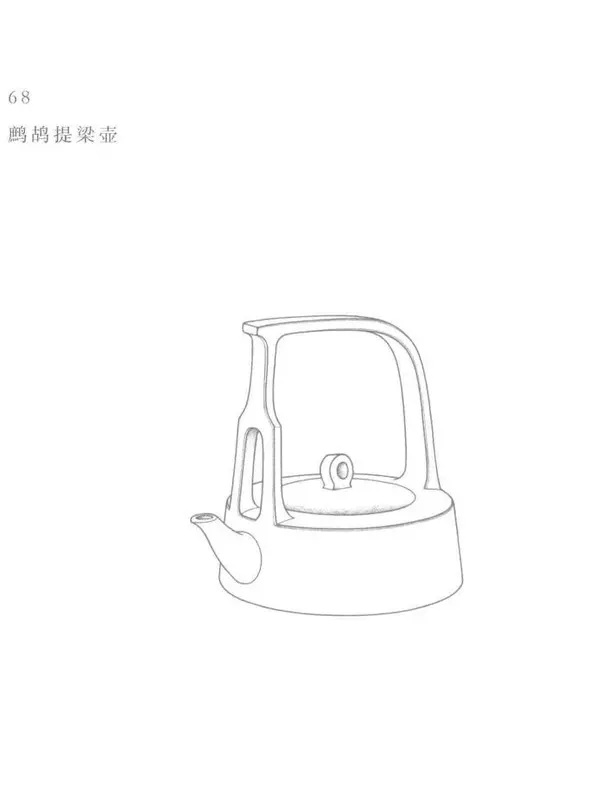
Book pages 305-306
鹧鸪提梁壶
The Pengque Tiliang Teapot In early spring of 1983, Gu Jingzhou stayed at Huaihai Middle School in Shanghai while seeking treatment for his wife Xu Yibao's terminal illness. During this...
Read source note →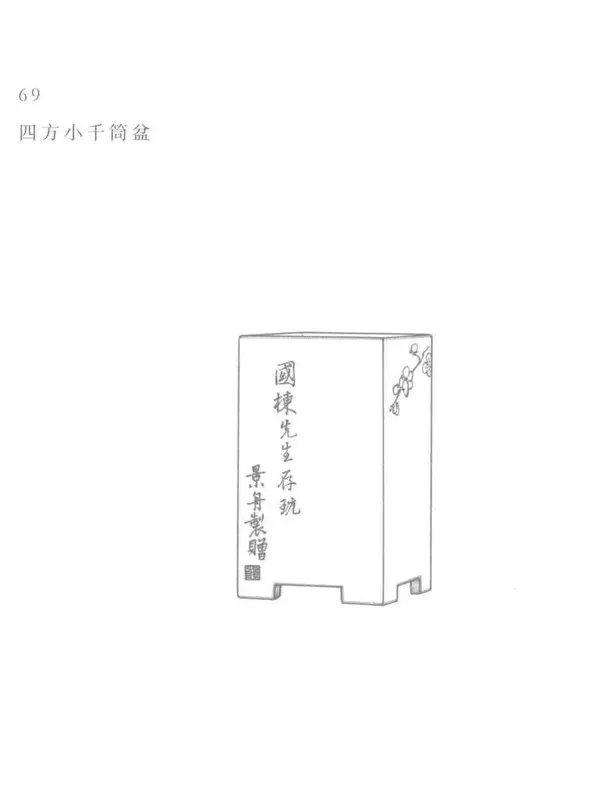
Book pages 309-310
四方小千简盆
Yixing Purple Clay Basin This purple clay basin was created in 1983 with the assistance of Teacher Gu Guodong during the period when Gu Jingzhou traveled to Shanghai to seek treatment for...
Read source note →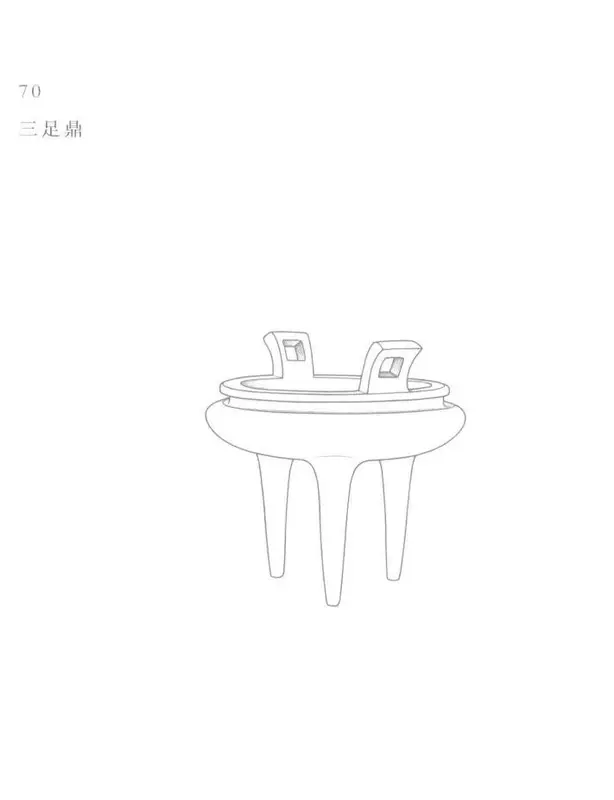
Book pages 311-312
三足鼎
Spirit This "Three-Legged Historian" was made by Gu Jingzhou as a demonstration piece for Zhou Shengxi during his stay at Shanghai Huaihai Middle School while caring for his wife's illness....
Read source note →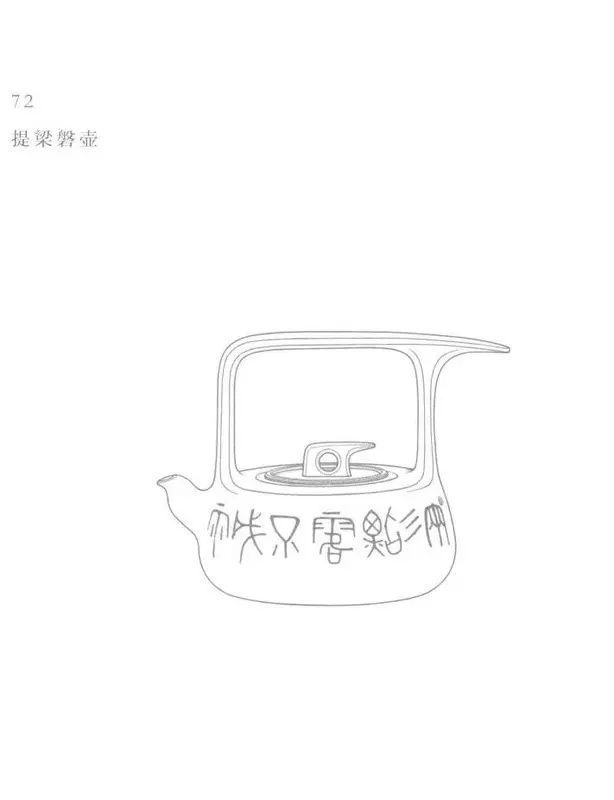
Book pages 317-318
提梁盘壶
Tiliang Ban Teapot The "Tiliang Ban Teapot" was designed by Han Meilin in 1988 and crafted by Gu Jingzhou. The upper portion of the teapot is shaped like a bird with outstretched wings in...
Read source note →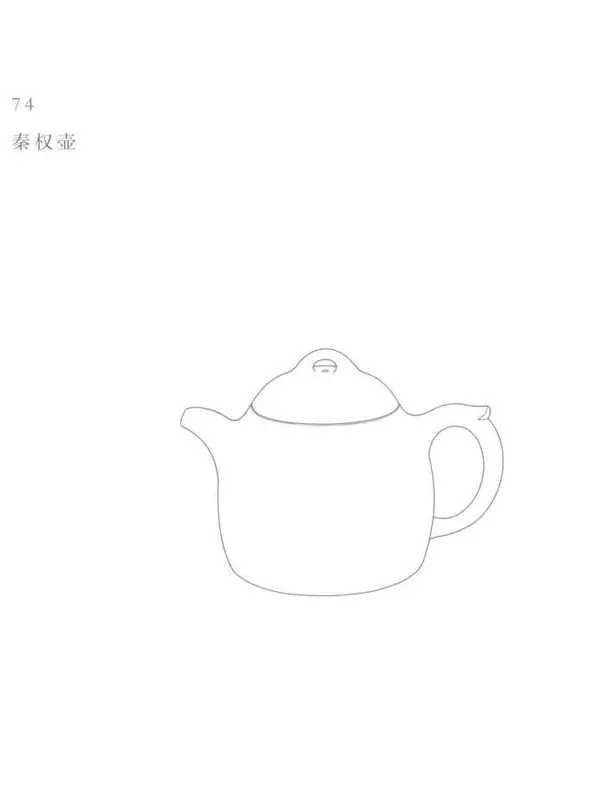
Book pages 321-322
秦权壶
Qin Quan Teapot The Qin Quan was a standardized weight implement promoted after Emperor Qin Shi Huang unified the system of weights and measures. It played a significant driving role in the...
Read source note →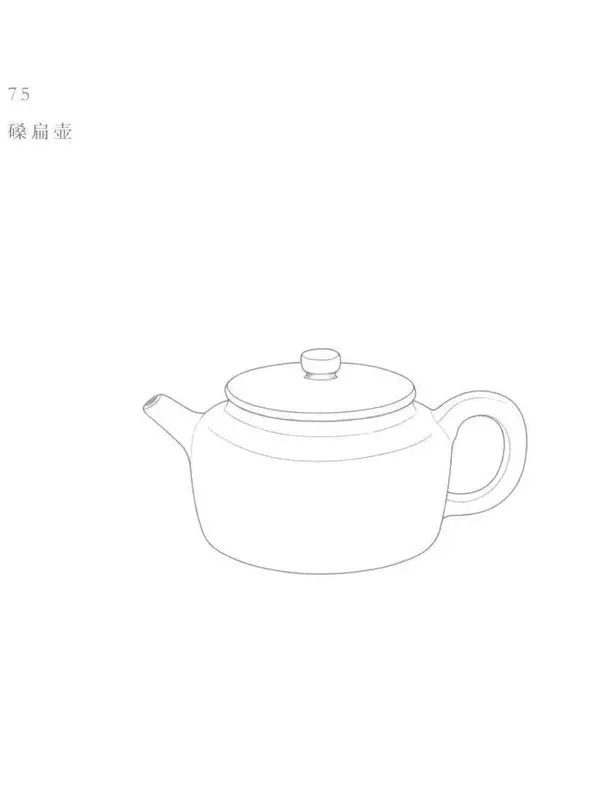
Book pages 323-324
硬扁壶
Transformation and Spirit A column base, also known as a plinth stone, is a stone block placed on the foundation to support columns. In traditional Chinese brick-and-wood architecture, it...
Read source note →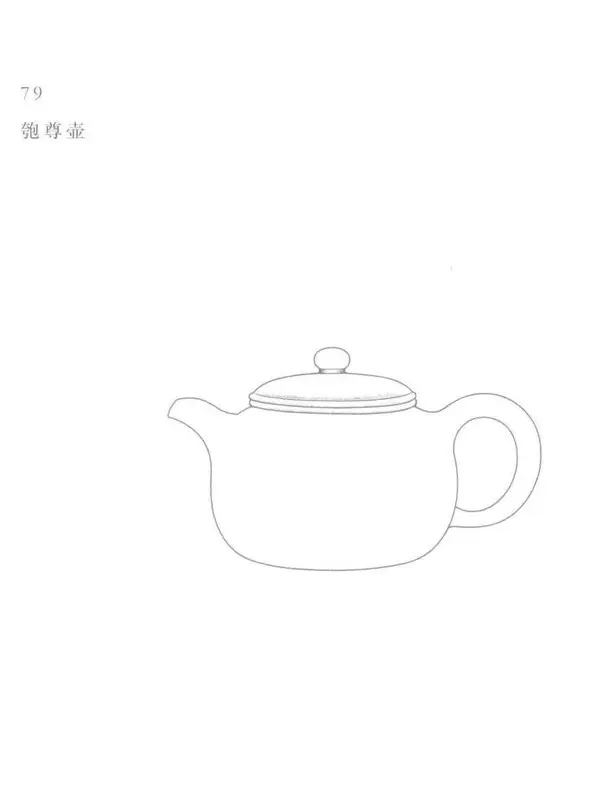
Book page 331
鲍卓壶
Illustrated source record. The accompanying prose has not been reliably extracted.
Inspect image record →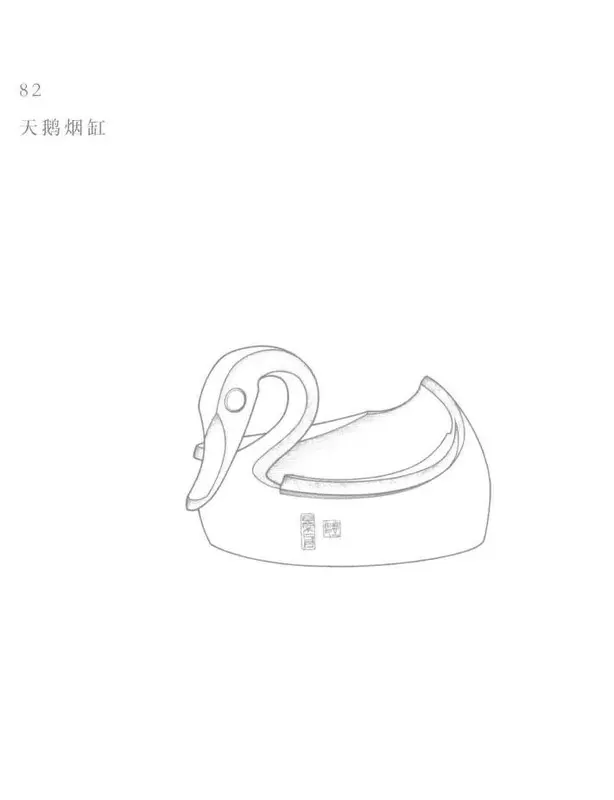
Book pages 337-338
天鹅烟缸
Gu Jingzhou's "Swan Ashtray" Gu Jingzhou's creation, the "Swan Ashtray," is delicate and elegant. On the round bowl-shaped body, wings extend outward on both sides, their curves naturally...
Read source note →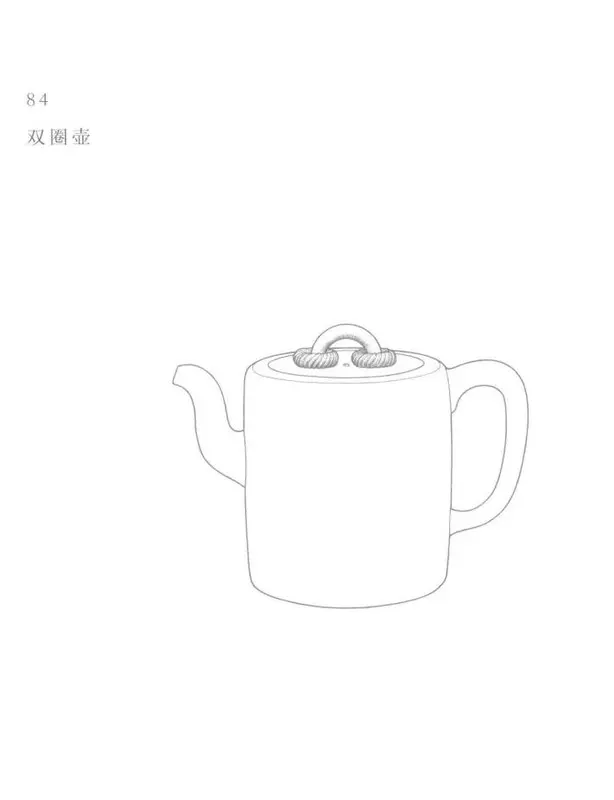
Book pages 341-342
双圈壶
"Double Ring Cable" Created during Gu Jingzhou's later years. In 1992, Gu Jingzhou crafted the "Double Ring Cable" teapot. Gu Jingzhou personally engraved inscriptions on it: on one side,...
Read source note →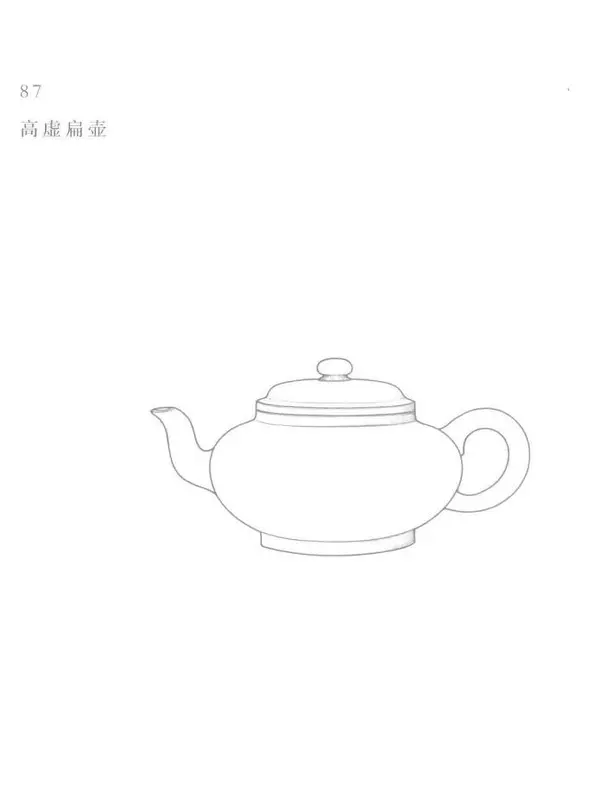
Book page 351
虚扁壶
Illustrated source record. The accompanying prose has not been reliably extracted.
Inspect image record →No matching form.
Try fewer letters, the Chinese name, or a broader spelling.
4 records still need name verification
These pages are preserved because the book images exist, but their OCR names are too damaged to present as settled identifications.